
8th April 2026
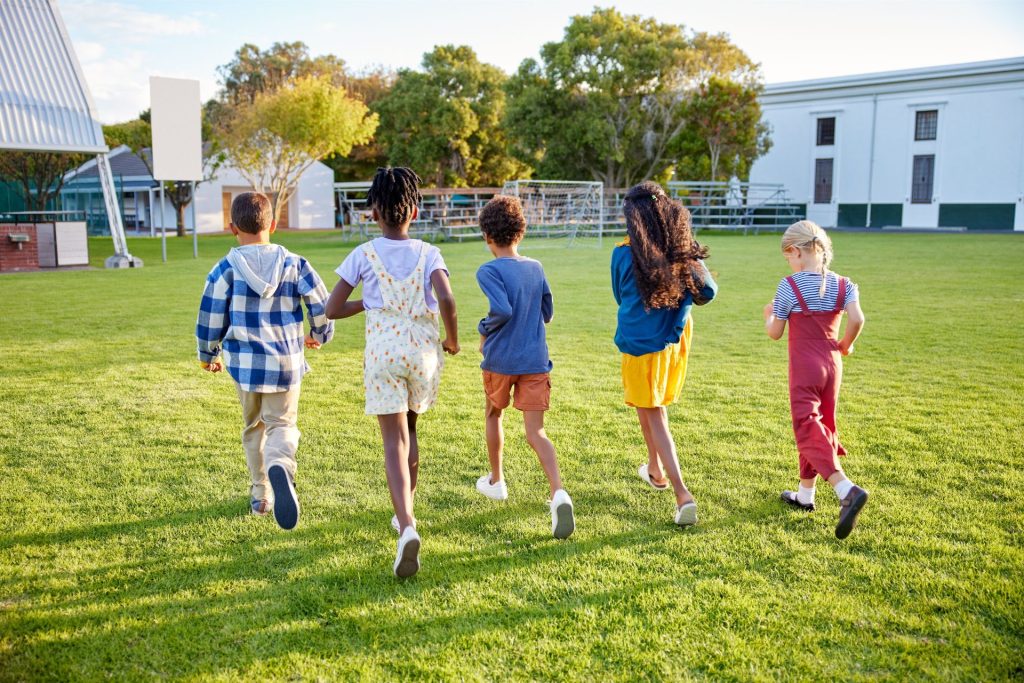
Speaking on RNZ’s Checkpoint programme, an expert said wearing activity-friendly clothing could encourage students to move more during the school day.
The idea behind it
The research points to a practical barrier to physical activity: traditional school uniforms.
Clothing such as formal shirts, skirts, or dress shoes can make it harder for students to comfortably take part in spontaneous activity, whether that’s running around at break times or being active between classes.
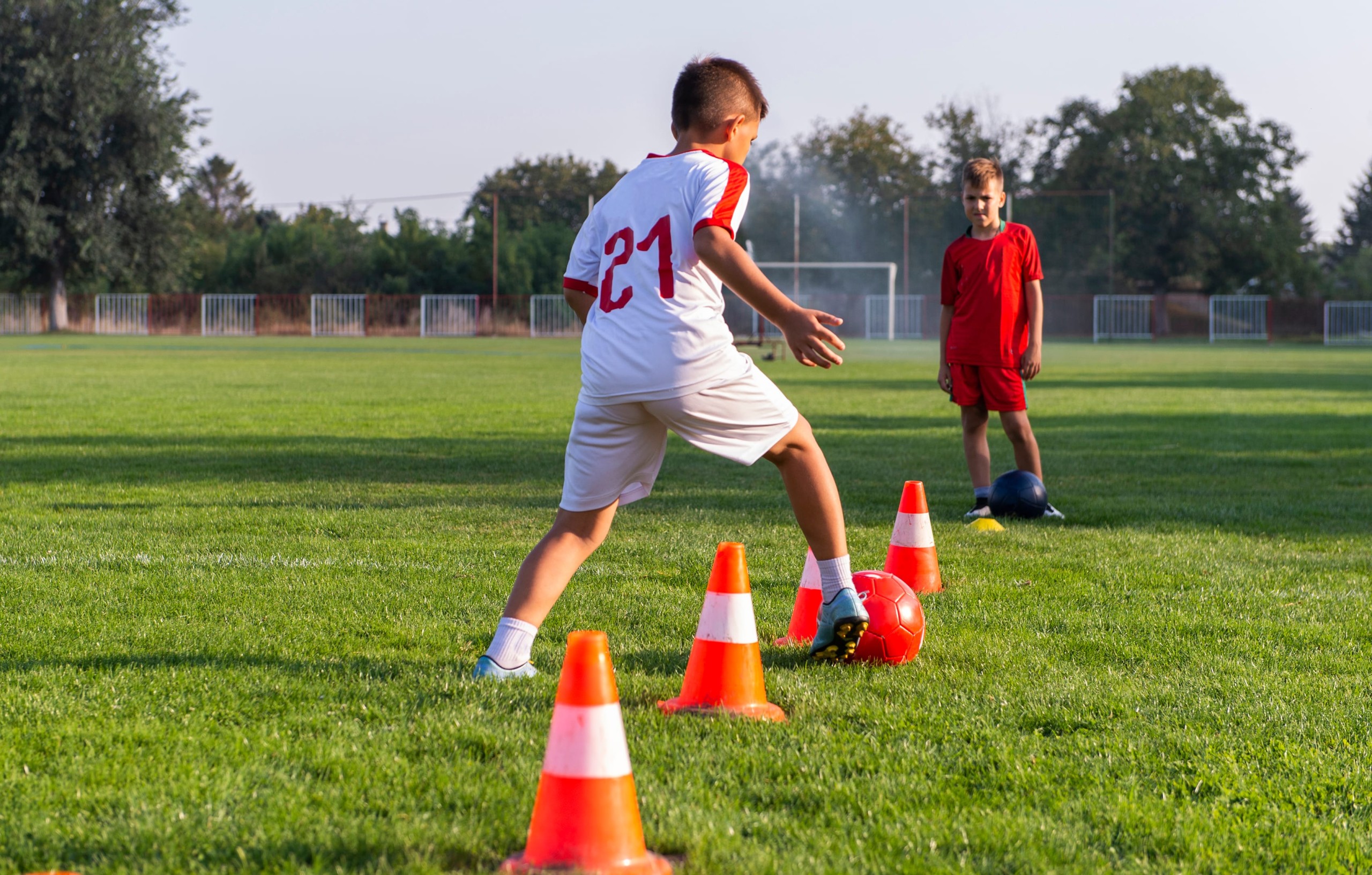
By contrast, sports uniforms are designed for movement, making it easier for students to be active without needing to change clothes.
What the research found
The study, carried out with Australia’s Newcastle University, found strong support for the idea.
More than three-quarters of people surveyed supported students wearing sports-style uniforms every day instead of traditional school attire.
The findings suggest that making uniforms more practical could be an easy way to increase activity levels without needing major changes to school timetables or facilities.
Why it could make a difference
The key benefit highlighted is that activity becomes more natural and frequent.
If students are already dressed for movement, they may be more likely to:
– Be active during breaks
– Take part in informal games
– Move more throughout the day
The approach focuses on building physical activity into everyday routines, rather than relying only on structured PE sessions.
A simple change, wider impact
The expert said the goal is to make it easier for students to be active as part of their normal school day.
Rather than adding more sport or exercise programmes, the focus is on removing barriers, starting with what students wear.
Ongoing conversation around uniforms
The idea adds to a wider discussion about how school environments can support student wellbeing.
Uniforms have long been part of school culture, but this research suggests they may also play a role in how active students are during the day.
As schools continue to look at ways to support student health, what students wear could become part of that conversation.