
For most of the past year, asbestos has not been a problem schools could leave in the walls and forget. It arrived in the sandpit. From late 2025, coloured and “rainbow” play sand sold to schools and early learning services was found to contain the naturally occurring asbestos tremolite triggering product recalls and a scramble of testing, closures and clean-ups. Around two dozen schools shut their gates at least briefly; close to 170 sought advice from the Ministry of Education. It was an unusually public reminder of a risk that sits in a large share of the country’s classrooms.
The sand saga was costly as well as alarming. The Ministry told schools and centres that, legally, the responsibility for funding removal and make-good sat with them. It later set up a support scheme, with around $8 million available for costs that insurers would not cover, and has so far approved about $1.4 million in one-off grants to 65 schools. Not everyone was covered: of 127 schools that applied, roughly half were turned down, many because they were seeking reimbursement for asbestos testing, which the grants did not fund. Individual bills ran from a few thousand dollars to more than $100,000, with one school facing an estimated $350,000. The episode was specific to a contaminated consumer product, but it exposed how quickly an asbestos incident can consume a school’s time, money and goodwill.
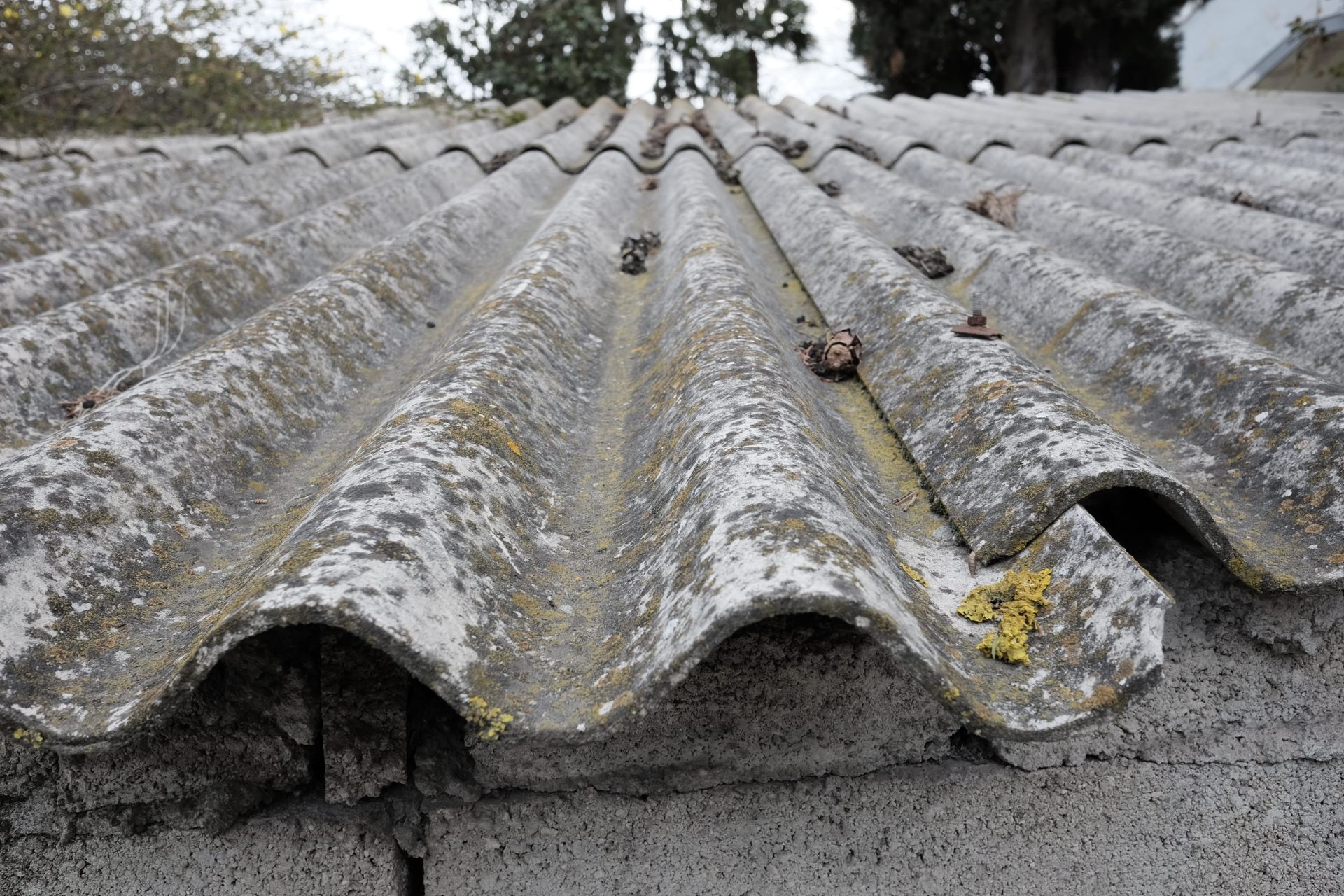
The reason asbestos keeps surfacing is structural. The Ministry’s property portfolio runs to more than 16,000 buildings and around 36,500 teaching spaces, and roughly a third of it is over 50 years old. Many buildings constructed before the 1990s contain asbestos materials, which are safe while undisturbed but hazardous when broken, drilled or disturbed during maintenance, refurbishment or demolition. That is why every school is required to hold an asbestos management plan identifying where the material is and how it will be handled. Education Minister Erica Stanford has framed the wider push in plain terms, that the portfolio must be managed so students can learn in environments that are “safe, warm and dry.”
Not everything is tightening in the same direction, and that has unsettled some in the field. As schools move to accredited-only suppliers, WorkSafe has been reworking the national rules for everyone else. New good-practice guidance for surveyors, removalists and assessors was published in April 2026, but the 2016 approved code of practice — a stronger, more enforceable instrument — is being retained for now, with any conversion of the new guidance into codes deferred until after health-and-safety law reforms, likely in late 2026 or 2027.
Workplace Relations and Safety Minister Brooke van Velden has said asbestos is “different,” and that industry feedback favoured guidelines over rigid codes. Experts are wary. The New Zealand
Demolition and Asbestos Association’s president, Helina Stil, has warned against a “watered-down system,” arguing communities need the assurance a code provides. The Council of Trade Unions has pointed to the stakes: around 220 New Zealanders die of asbestos-related disease each year, making it one of the country’s biggest workplace killers. The concern is the mixed message; stricter rules inside the school gate, more flexible ones beyond it.
It’s worth remembering why asbestos commands this level of care, because the answer is what makes a management plan more than paperwork. Asbestos is dangerous precisely because it is patient. Its fibres cause disease, including mesothelioma, an aggressive and incurable cancer of the lung lining, but the gap between breathing them in and falling ill can stretch across decades. There’s no early warning and no safe, visible threshold; by the time harm shows, the exposure that caused it is long past. That is why the figure the Council of Trade Unions cites, around 220 New Zealanders dying of asbestos-related disease each year, reflects working conditions from a generation ago, not today’s, and why the toll is expected to run on for years yet.
The people most often at risk are not pupils in a classroom but the adults who disturb the fabric of the building, caretakers drilling a wall, a contractor lifting old flooring, a tradesperson cutting into a ceiling during a holiday refurbishment. Children are not exempt from this, but their everyday classroom use rarely disturbs the building’s structure. The exposures that matter happen during maintenance, refurbishment and demolition, which is why those moments are so tightly governed. It is also why asbestos is treated differently from hazards that announce themselves. A frayed cord or a wet floor can be seen and fixed; an asbestos fibre cannot. The protection has to be built in advance, through records and trained removalists, because there is no second chance to react once the dust is in the air.
For principals, the year’s lesson is less about panic than about preparation. Three moves are worth making this term. First, pull out the asbestos management plan and check it is current, accurate and known to the people who need it: caretakers, contractors, the board. Second, use the Ministry’s accredited supplier list for any asbestos work; since April it’s mandatory, and it takes the job of vetting contractors off the school’s plate. Third, treat asbestos as a budget and insurance question as much as a safety one: the sand episode showed schools can be left legally liable for costs, and that support, where it exists, is partial. None of this makes asbestos go away, it sits in too many buildings for that. But a school that knows where its asbestos is, uses accredited people to deal with it, and has read the fine print on who pays is in a far stronger position than one learning all three the hard way.