
School holidays can feel like a juggling act; filling the days, keeping everyone happy, and somehow surviving until term starts again. While it’s tempting to pack every day with activities, the reality is that the most enjoyable holidays are often the ones that leave room to slow down. A little planning, some realistic expectations and a willingness to be flexible can make the break far less stressful for everyone.
One of the best ways to approach the holidays is to plan loosely rather than trying to schedule every hour. A holiday crammed with back-to-back outings can quickly become as exhausting as the school term itself. Instead, think about creating a simple weekly rhythm, with perhaps one bigger outing, a couple of low-key activities and several days left completely open. Having some structure gives everyone something to look forward to without the pressure of sticking to a packed itinerary.
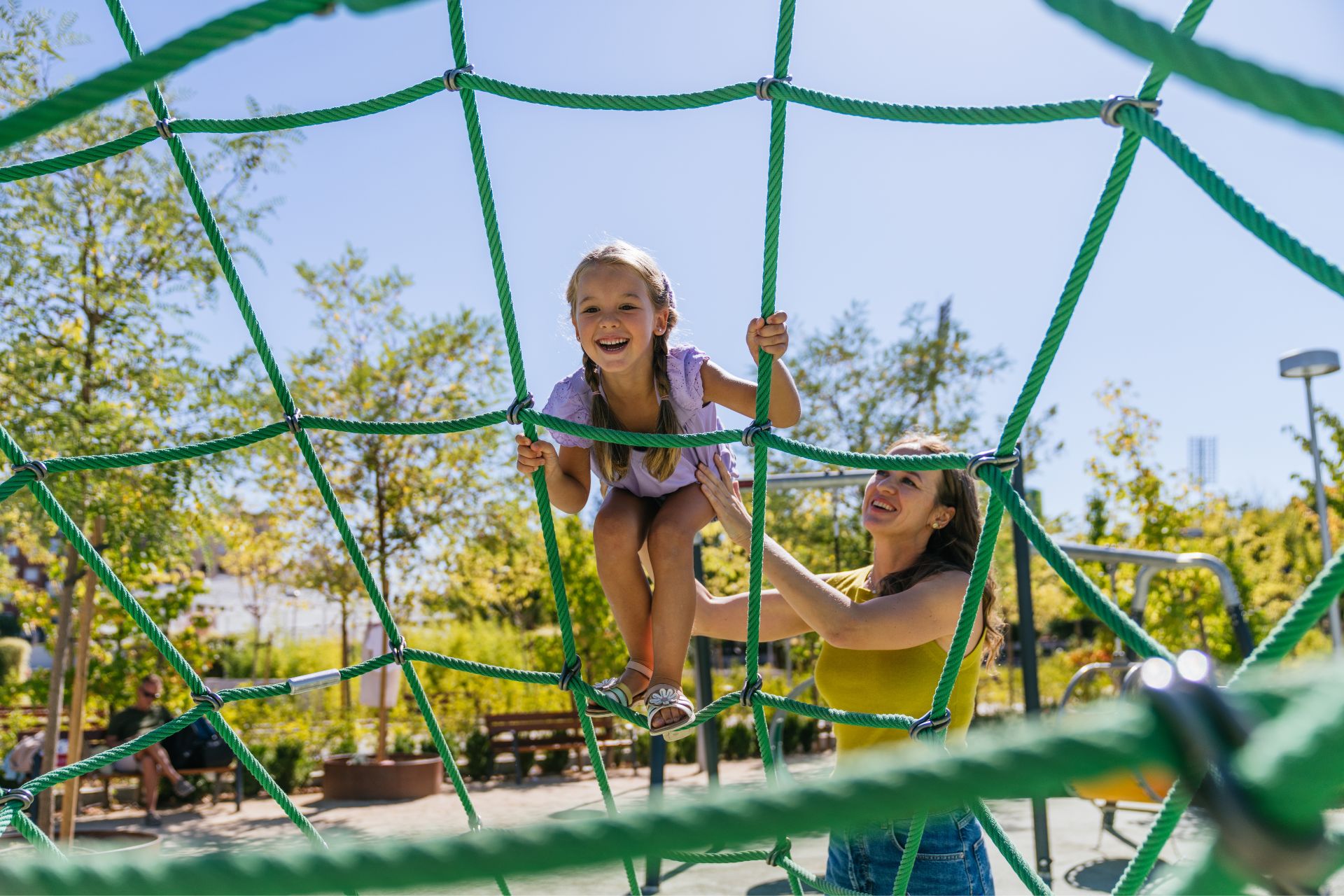
It’s also worth involving children in deciding what they’d like to do. Rather than assuming what will keep them entertained, ask for their ideas. Parents are often surprised to find that the favourite suggestions are simple and inexpensive, whether it’s visiting a playground, having a picnic, baking together or catching up with a friend. Children are usually more enthusiastic about activities they’ve helped choose.
Before the holidays begin, it can help to set a rough budget. Entry fees, takeaway lunches and unexpected treats can quickly add up, making the break more expensive than expected. Having a spending limit in mind makes it easier to decide when to say yes and when to suggest a free alternative. Parks, libraries, beaches and walking tracks can provide memorable days out without stretching the family budget.
Although routines naturally become more relaxed during the holidays, keeping some consistency, particularly around mealtimes and bedtimes, makes life easier. Allowing children to sleep in a little is one thing, but abandoning routines altogether often makes the return to school much harder. A familiar rhythm helps everyone adjust more smoothly when term begins again.
Parents should also expect a little conflict along the way. Spending more time together inevitably leads to the occasional disagreement, especially between siblings. This is a normal part of family life rather than a sign the holidays are going badly. Short, calm interventions usually work better than lengthy lectures, and sometimes simply giving children some space from one another is enough to reset the mood.
If possible, don’t be afraid to share the load. Whether it’s swapping childcare with another family, asking grandparents to help for an afternoon or enrolling children in a holiday programme for a day or two, having occasional breaks can make a big difference. Parents shouldn’t feel guilty about accepting help when it’s available.
Finally, remember to make time for yourself as well. It’s easy to focus entirely on keeping the children occupied, but parents also need opportunities to recharge. Even a short walk, a quiet coffee or an hour to yourself can help you return feeling more patient and better able to enjoy the time together.
The school holidays don’t need to be perfectly planned or endlessly entertaining to be a success. A relaxed routine, shared decision-making and realistic expectations go a long way towards creating a break that’s enjoyable for the whole family. Sometimes the simplest days are the ones children remember most.