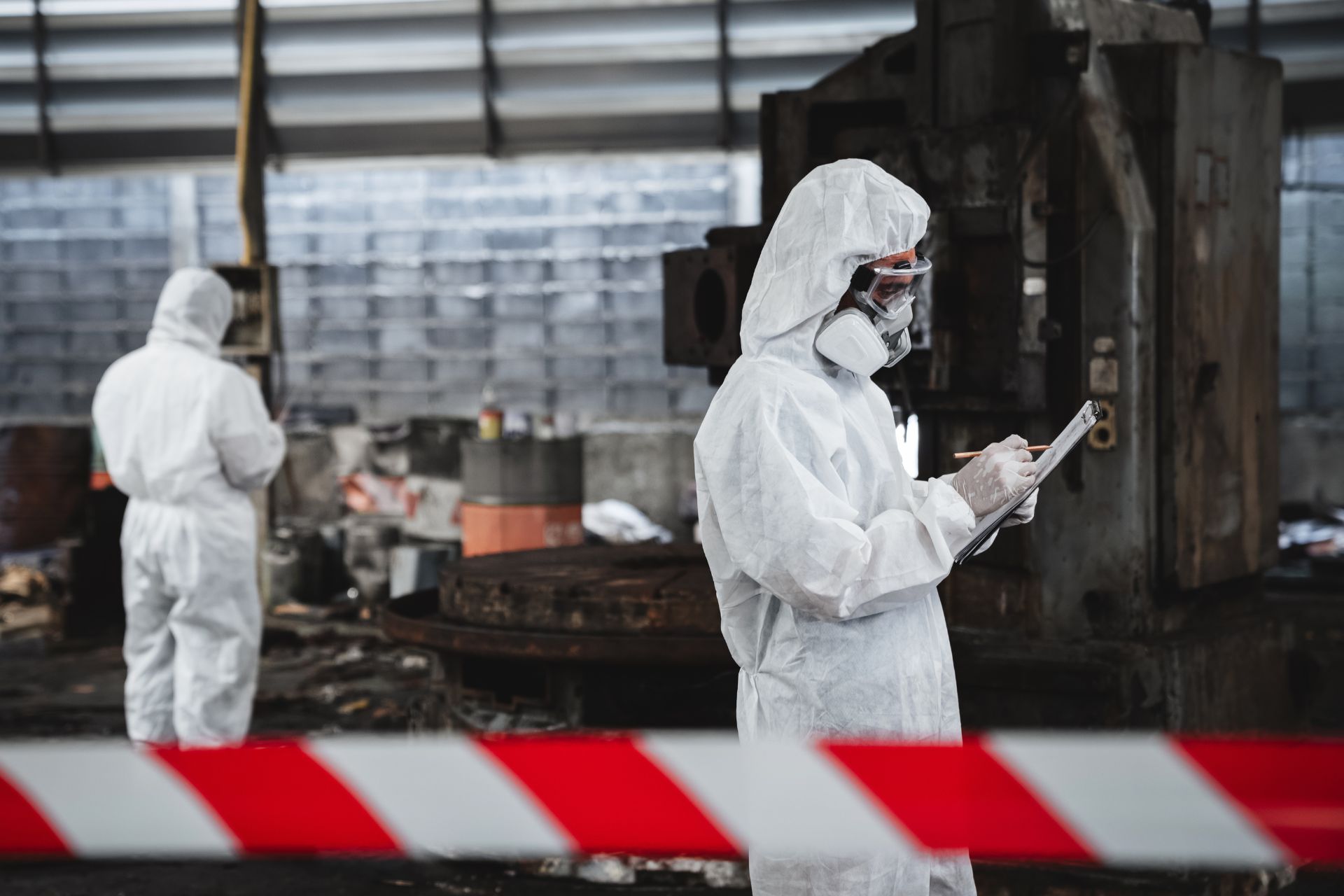

Asbestos remains New Zealand’s deadliest work-related killer, with around 220 people dying each year from preventable asbestos-related disease He says lung diseases caused by asbestos, such as lung cancer, mesothelioma and asbestosis, continue to take a dreadful toll that robs many of their health and time with their whānau.
“What we’re seeing today is the legacy of past exposure to asbestos, often while at work. But action must continue to prevent future illness and death through proper asbestos handling and management.”
Asbestos still demands careful testing, licensed removal and safe landfill disposal. But another strand of national research is asking a different question. What if the answer isn’t just burying asbestos carefully but breaking it down altogether?
The work comes out of Unitec’s Environmental Solutions Research Centre, founded by Dr Terri-Ann Berry. Dr Berry has spent years exploring bioremediation, the use of living organisms such as fungi and bacteria to break down environmental pollutants. The Ministry for the Environment says the research is ground-breaking.
The science is surprisingly elegant. Fungi and bacteria can produce organic acids and iron-chelating compounds to access iron for their own metabolism, and asbestos fibres contain iron on their surface. In lab experiments, those compounds have been shown to strip that iron away and alter the fibres, reducing their harmfulness in the process. Researchers have also observed lichens and fungi colonising asbestos-rich rock formations in the wild, including at a disused asbestos mine in Kahurangi National Park.
A more recent phase of the project used genetic sequencing to map the fungal and bacterial communities living on asbestos cement, contaminated soil and raw asbestos rock across New Zealand sites. The study identified close to 900 fungal sequence variants and more than 1,200 bacterial ones, with five fungal species confirmed to produce the iron-scavenging compounds researchers think are central to the degradation process. The next step is to culture the most promising species and test them directly against asbestos fibres in controlled lab conditions.
The long-term vision is something like an asbestos “compost heap”: an activated landfill environment where bacteria, fungi, lichens and even certain plants work together over time to strip toxicity from contaminated soil rather than simply sealing it away forever. The ministry’s story suggests that scientists are now trying to understand whether this natural process can be harnessed more deliberately.
For now, nothing changes for builders and contractors on site. Testing, licensed removal and safe disposal under the Health and Safety at Work (Asbestos) Regulations 2016 remain the only compliant approach, and the researchers themselves say the technology is still immature. But for an industry that will be dealing with asbestos-contaminated soil and building waste for decades, the idea that biology might eventually help do some of the heavy lifting is worth watching.