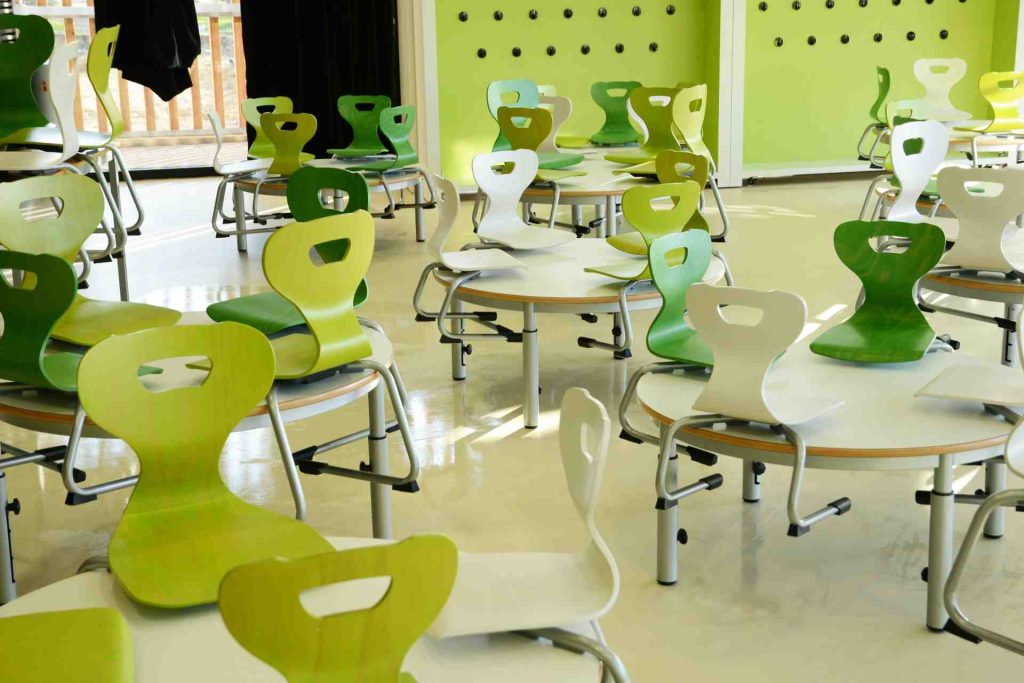

As the winter term approaches, schools across New Zealand face the familiar challenge of rising illness among students and staff. Seasonal viruses, including colds, influenza and other respiratory infections, lead to increased absences and disrupted routines. While illness is unavoidable, thoughtful planning can help teachers maintain learning continuity and reduce stress for both students and staff.
Flexible lesson planning
According to UNESCO’s Educating in Emergencies guidance, designing lessons in modular segments allows learning to continue even when students or teachers are absent. Lessons that can stand alone help students catch up without feeling lost. The OECD also highlights the importance of digital platforms, such as Google Classroom or school learning portals, to provide access to resources and instructions for absent students. This approach supports both classroom continuity and independent learning.
Backup lessons for staff absences
Relief teachers are often required with little notice. The OECD’s TALIS (Teaching and Learning International Survey) shows that collaborative planning and shared resources reduce disruption when staff are away. Schools are encouraged to prepare “backup” lessons that are easy to deliver, include clear instructions and require minimal prior knowledge. according to UNESCO guidance on education continuity planning, activities such as reading comprehension exercises, independent research tasks and revision activities are particularly effective.
Adjusting student workloads
Research from the Education Endowment Foundation (EEF) in the United Kingdom, shows that structured, manageable workloads help students stay on track after absences. Teachers may consider extending deadlines for major assignments or reducing non-essential homework during peak illness periods. OECD research on learning disruption further highlights the importance of prioritising key curriculum outcomes rather than rushing through missed material, ensuring students recover without added stress.

Encouraging independent learning skills
Students who can follow instructions, manage tasks independently and use checklists are better able to continue learning during periods of disruption. According to the EEF, fostering self-regulated learning and metacognition equips students to cope with interruptions while reinforcing long-term learning habits. Clear step-by-step instructions and structured tasks can empower students to stay engaged even when teacher support is limited.
Communicating with families
Maintaining strong communication with families is crucial. The New Zealand Ministry of Education advises schools to clearly communicate illness policies and provide guidance on accessing missed learning. Sharing weekly outlines, online resources, or instructions for completing tasks at home helps families support their child’s learning during short-term absences.
Health practices and staff wellbeing
According to the Ministry of Education, encouraging hygiene practices and good ventilation along with staying home when unwell reduces the spread of illness in schools. Te Whatu Ora recommends similar strategies for preventing infectious diseases in shared environments. Supporting staff wellbeing is equally important. The OECD TALIS survey notes that collaborative planning and accessible shared resources relieve pressure on teachers and foster a supportive school culture during winter illness peaks.
Winter illness may always bring some disruption, but careful planning, flexible lesson structures and strong communication can minimise its impact. By drawing on research and public health guidance, schools can help ensure learning continues smoothly while supporting the health and wellbeing of both students and staff.