
The Government has backed away from proposed amendments to the Education and Training (System Reform) Amendment Bill this week, after mounting concern from homeschooling families and advocacy groups.
The changes, which were only recently introduced, would have expanded the powers of the Secretary of Education to regulate aspects of homeschooling more directly, prompting a rapid and highly vocal public response.
Advocacy group PILLAR had earlier raised concerns about last-minute amendments to the Education and Training (System Reform) Amendment Bill, warning the proposed changes could radically expand government oversight of homeschooling nationwide.
The amendments would have given the Secretary of Education broader powers to regulate how homeschooling was conducted, with supporters arguing that the changes were intended to strengthen child safety protections.
However, PILLAR, which stands for Protecting Individual Life, Liberty and Rights, said the wording was too broad and lacked clear safeguards or limits on how the powers could be used in future.
Head of Education and Partnerships Nick Hanne said the amendments had been introduced without sufficient public consultation and could allow unelected officials to impose new regulations on homeschooling families without proper parliamentary scrutiny.
“New Zealanders should be deeply concerned whenever vague ‘safety’ language is used to justify open-ended state power,” Hanne said.
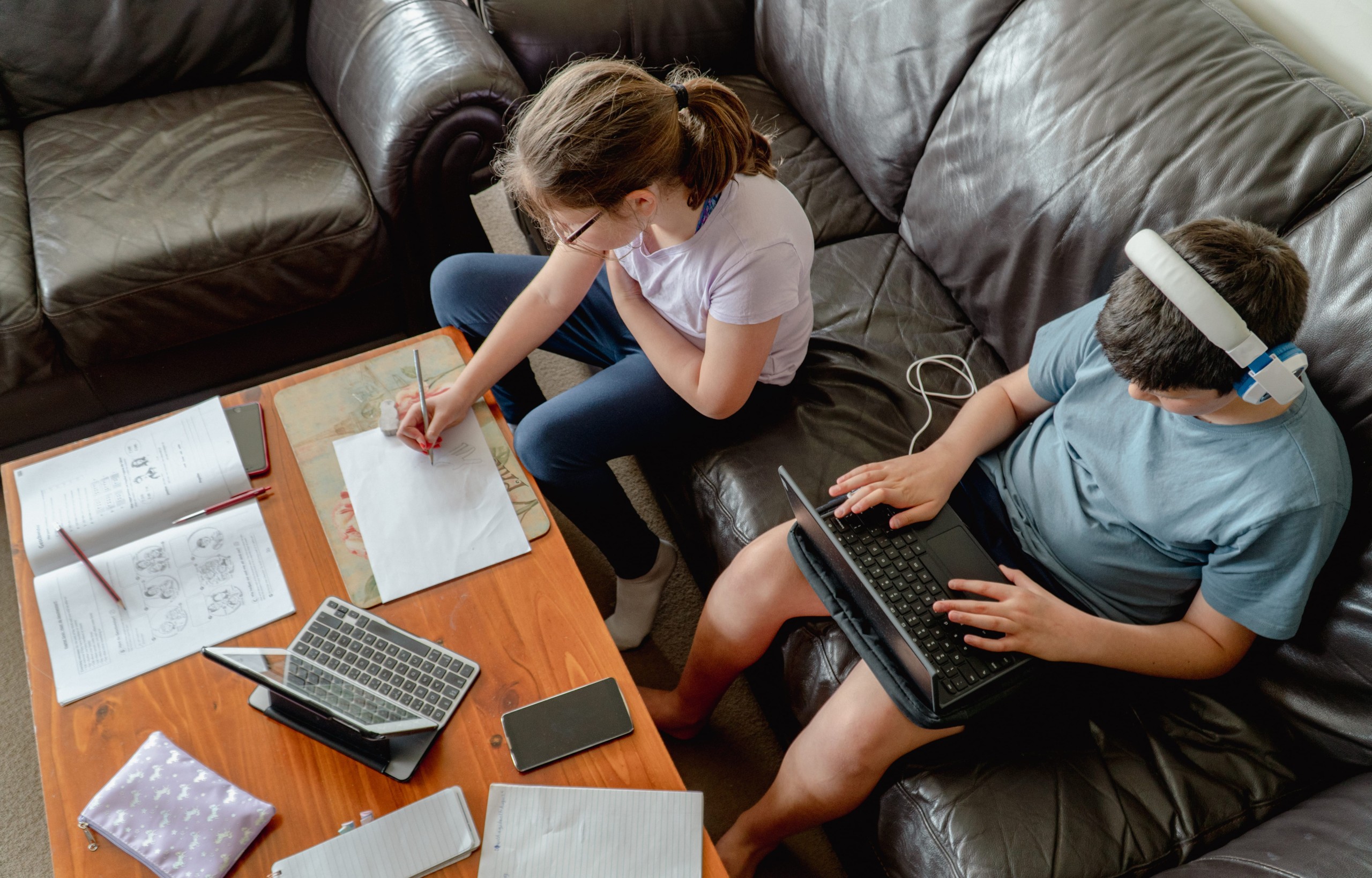
The organisation argues homeschooling has long been an important part of New Zealand’s education system, giving parents flexibility in how they educate their children and providing an alternative to more centralised approaches.
PILLAR also warned that expanding regulatory powers under the justification of child safety could set a broader precedent for increased state control in other areas affecting families and young people.
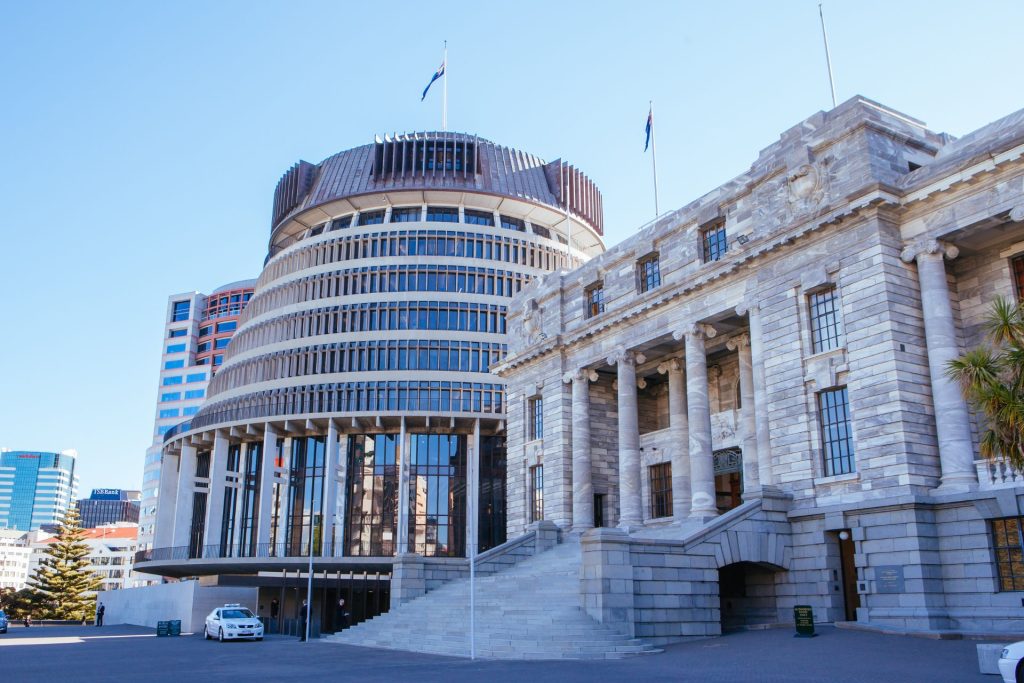
“The right of parents to direct the education of their children is a fundamental liberty in any free society,” Hanne said. “A healthy democracy should make room for different educational approaches rather than concentrating more control in Wellington.
“Major regulatory powers affecting family life should never be rushed through Parliament without transparent public consultation,” Hanne said. “Families deserve clarity about how these powers could be used in practice and what protections exist against overreach.”
Education reforms proposed in the broader bill have already attracted debate over issues such as curriculum oversight, school governance, and the balance between parental rights and government regulation in the education system.
“Parents must retain the freedom to educate their children according to their values and convictions,” Hanne said. “The alternative is a system where the state increasingly dictates how all young New Zealanders are educated.”

Government pauses moves
The Education Minister confirmed that the Government would not proceed with the contested amendments in their current form and that officials had been instructed to undertake additional consultation with affected stakeholders before any revised proposal was considered.
The Minister said the decision reflected the volume of feedback received during the initial release of the changes and the need to ensure that any regulatory adjustments were “clear, proportionate, and workable in practice.”
Parliamentary officials also indicated that the relevant select committee process would effectively reset consideration of the homeschooling-related provisions, meaning they would not progress through the third reading stage as originally scheduled.
This move was described by some political commentators as an effort to “de-escalate” growing tensions around the bill, which had drawn attention not only from homeschooling advocates but also from wider education sector groups concerned about governance and oversight.
Opposition education spokespersons welcomed the pause, arguing that the original drafting had moved too quickly and lacked sufficient engagement with the communities it would most directly affect. They called for a more structured and transparent consultation process moving forward, particularly given the sensitivity of regulating home-based education.
Homeschooling representatives responded cautiously to the update. While many viewed the pause as a positive step, several groups reiterated that they would continue to monitor any revised proposals closely, stating that the core concerns around potential overreach and regulatory uncertainty had not been fully resolved.
Education sector analysts noted that the episode was likely to influence how future education reforms were developed, particularly in relation to stakeholder engagement and legislative timing. Some suggested the Government may now take a more incremental approach to any future changes affecting homeschooling, with a stronger emphasis on collaboration rather than rapid amendment.
For now, the proposed changes remain on hold, with no confirmed timeline for when or whether they will return to Parliament in an updated form