
Two eating disorder charities want Health NZ to stop using body mass index (BMI) in the B4 School Check, the free health and development check for 4-year-olds before they start school. Health NZ says BMI is one screening tool among several and isn’t a diagnosis.
The call, reported by the NZ Herald in October 2026, came from the Eating Disorders Association of New Zealand (EDANZ) and JourneyED. EDANZ was set up by parents and caregivers in 2007 and is run by volunteers, supporting families who care for someone with an eating disorder. JourneyED began in 2024 and runs free peer support groups for adults living with one.
What the check involves
Health NZ calls the B4 School Check the last Well Child Tamariki Ora check. A nurse spends about 45 minutes with the child and whānau, checking height, weight and teeth, asking about immunisations and going through questions on learning, development, health and wellbeing. A technician screens vision and hearing, sometimes on a different day.
Early learning services play a part too. Health NZ asks kindergartens and early childhood centres to fill in a strengths and difficulties questionnaire for each child, covering things like concentration, behaviour and getting along with others.
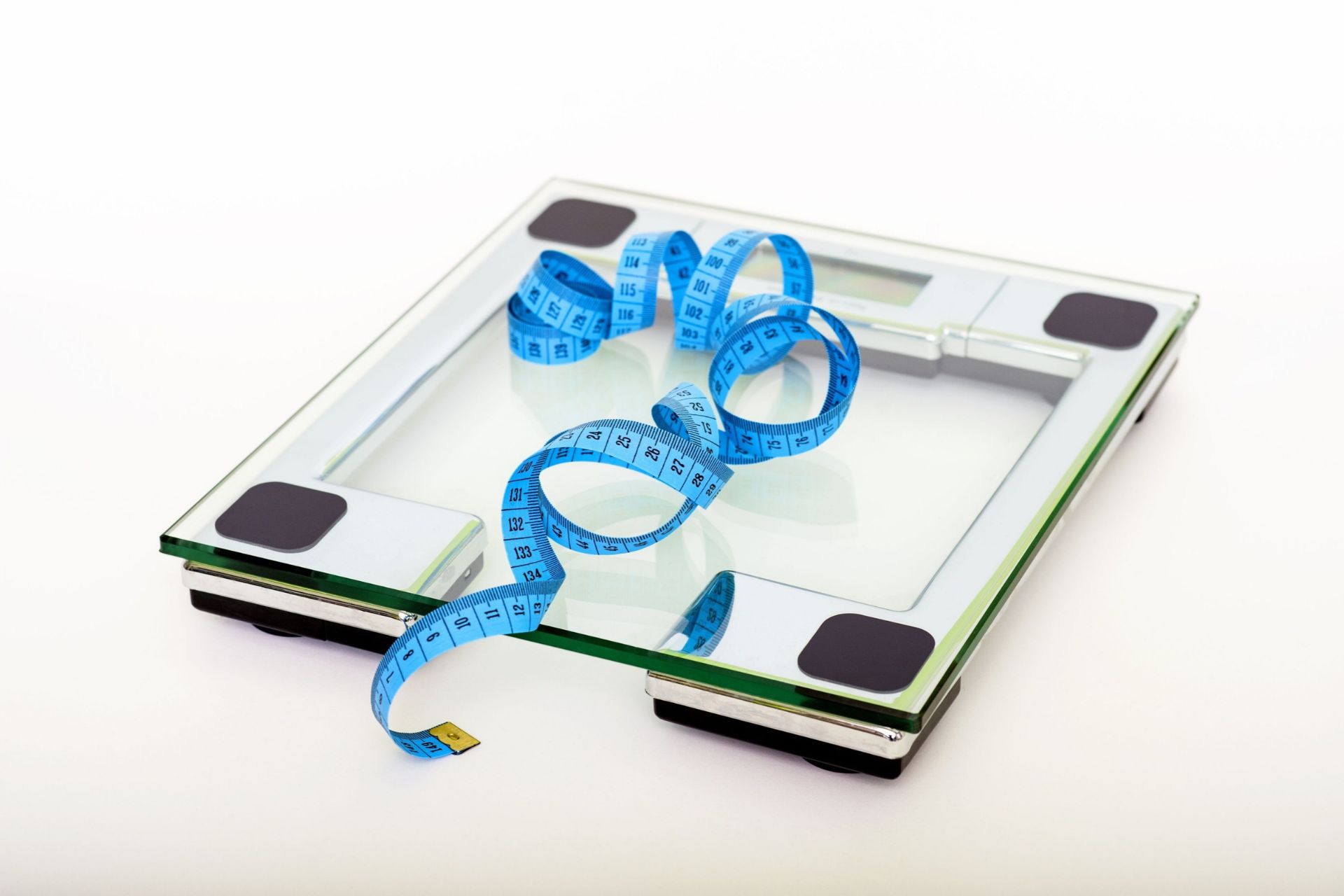
The national B4 School Check data set records a BMI for each check, calculated from the nurse’s height and weight measurements.
Whānau Āwhina Plunket, which has worked with families for more than 110 years, is one provider among several. Plunket says it delivers B4 School Checks in parts of the North Island and none in the South Island. Health NZ’s provider list also includes Pegasus Health in Canterbury, Pinnacle in Waikato, Health NZ’s own teams in Nelson Marlborough and the Southern district, and iwi and community providers such as Ngāti Hine Health Trust in Northland.
Where the debate sits
EDANZ chair Andrea Bonetto and JourneyED founder Dr Meg Vardy want BMI removed from the check. Failing that, they’ve asked that the child be out of the room when a result is explained, or that children be weighed without seeing the numbers.
Health NZ said BMI gives one piece of information alongside other assessments, helping build an overall picture of a child’s health and wellbeing. It said the programme looks at overall wellbeing rather than weight alone, and that providers are expected to use clinical judgement, discretion and sensitivity when they discuss growth with children and whānau.
Health NZ isn’t currently considering removing BMI. It said Plunket’s programme and clinical guidance are being reviewed as part of a broader service redesign. Plunket says its nurses are trained to have these conversations sensitively, including thinking about who’s in the room.
The growth data has research uses. A University of Canterbury-led study in Pediatric Research in 2024 drew on B4 School Check records for more than 650,000 children to track overweight and obesity rates among 4-year-olds before and after COVID-19.
The best trial evidence on the harm question comes from California and involved older children. The Fit Study randomised 79 schools and followed 28,641 students who were in grades 3 to 7 at the start.
Published in JAMA Pediatrics in 2021, it found BMI reports sent to parents didn’t change children’s weight status. Weight dissatisfaction rose more among students screened at school than among those who weren’t, though concerning weight-control behaviours fell more after one year.
Closer to home, Pegasus Health dietitian Lucy Carey argued in the New Zealand Medical Journal in 2019 that BMI is flawed and that flagging a child’s weight category to parents is potentially harmful. She proposed an inclusive, universal approach instead.
A University of Auckland study of national psychiatric admissions from 2017 to 2021, published in the International Journal of Eating Disorders in 2024, found eating disorder admissions ran at nearly 1.5 times the pre-pandemic rate during COVID-19. Anorexia among girls and young women aged 10 to 19 drove the rise, and it stayed high in the 10 to 14 age group.
What reaches schools
Very little of the check reaches a school. The B4 School Check consent form tells parents that full results go to the family doctor, and that only vision and hearing results go to the child’s early learning service, kōhanga reo or school. “No other information will be shared with your child’s school without your permission,” it says.
That means a child’s growth or BMI result won’t arrive with a new entrant unless whānau choose to pass it on. If a nurse is worried about a child’s safety, the form says information can be shared with Oranga Tamariki.
EDANZ counts educating schools as part of its work. Its September 2026 newsletter gave families a list of everyday steps, including avoiding weigh-ins and labelling food “good” or “bad” at home, dropping comments about bodies, and praising what children do rather than how they look.
Health NZ hasn’t said when the review of Plunket’s programme will finish.
If you’re worried about a child or young person, start with their GP. EDANZ supports families and carers on 0800 2 EDANZ (0800 233 269). Anyone who needs to talk can free call or text 1737, any time.