
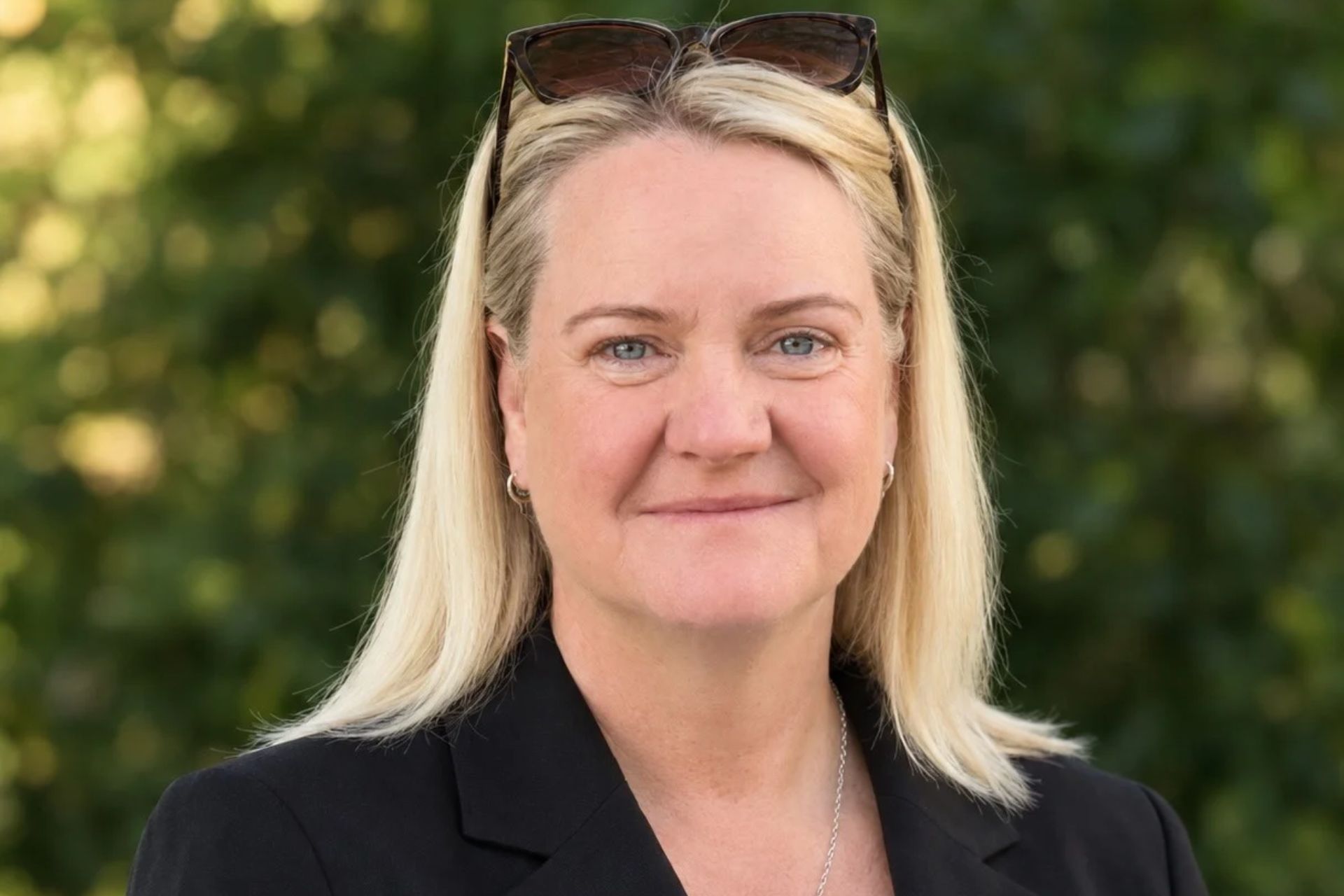
Alli Williams leads Prebbleton’s newest school
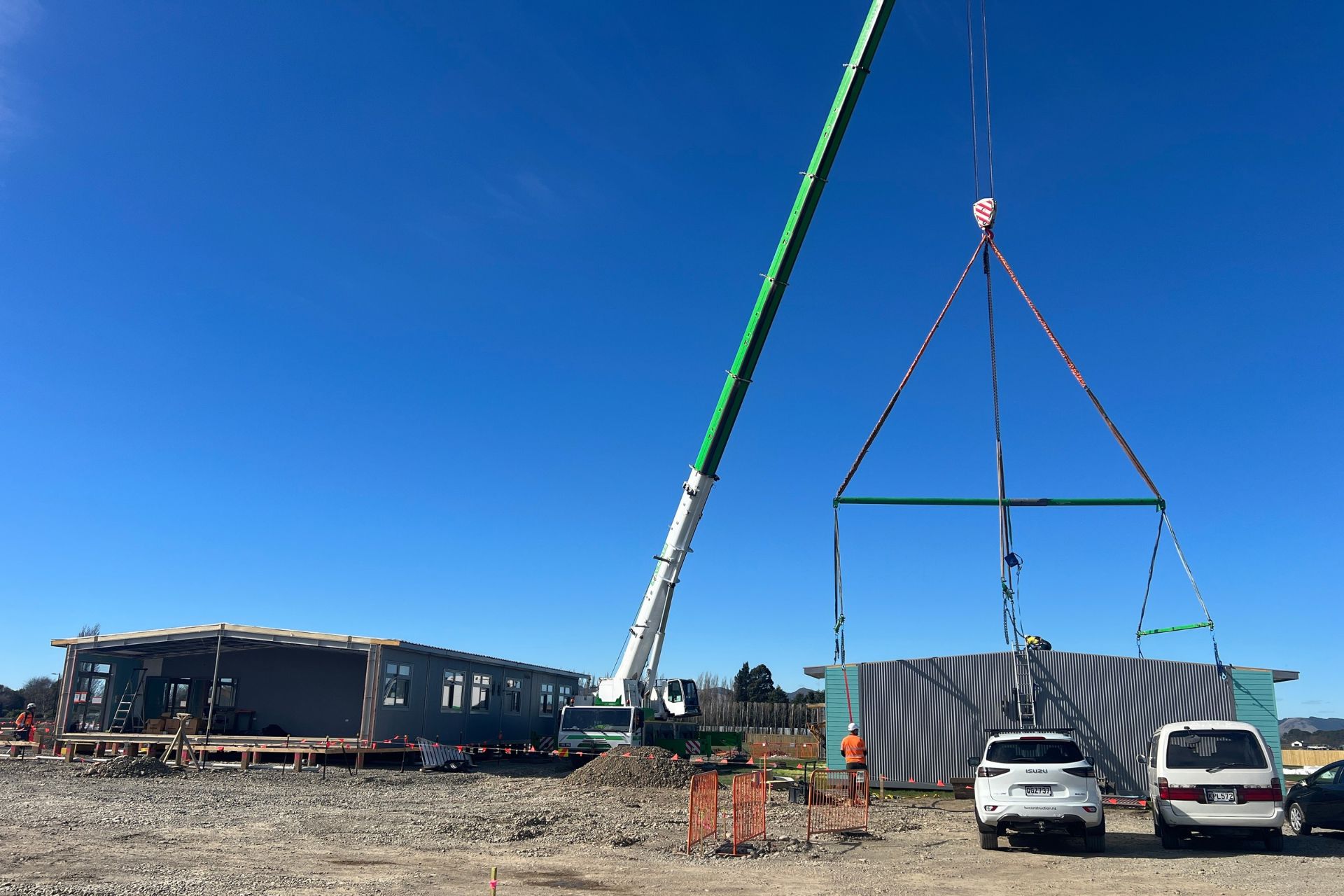
Most school leaders step into an established environment, inheriting existing traditions and routines. Alli Williams, however, gets to start entirely from scratch. As the founding principal of Koromiko Mākoha, a Years 1–8 school the Ministry of Education is building on former farmland in west Prebbleton, she is preparing to open its doors in 2027.
The job brought Alli home. She taught at Prebbleton School for 12 years, becoming Deputy Principal before moving to her first principalship on the other side of Christchurch in Term 4, 2024. It was never her plan to move again after only 18 months, but the chance to build a school from the ground up in her local community was an opportunity she couldn’t pass up.
“Starting a new school from scratch is a dream for many educational leaders,” she says. “It’s just such a cool opportunity.”
Prebbleton is growing fast, with subdivisions going up around the site. While Prebbleton School still has capacity, a second school is being built to keep pace with future growth.
The Ministry of Education expects Koromiko Mākoha to reach 75 to 100 students by the end of the first year. Stage one has room for up to 214 pupils, with long-term master plans allowing for up to 800.
Alli expects a slower start than some of the other new schools in Selwyn. There is a grandparenting clause that will allow younger siblings of Prebbleton School students to keep enrolling there after the zone changes.
There is still space at the existing school and families have no reason to leave it. “Good things are happening there.”
A name with meaning
Some people hear the name and assume it’s a kura kaupapa. It isn’t. It’s just a school with a Māori name, although it will have a bilingual te reo Māori pathway alongside its English-medium classes.
Gifted by Ngāi Te Ruahikihiki at Taumutu, the name Koromiko Mākoha connects the school to the region’s native flora and cultural heritage. The area was a vital mahinga kai (food gathering site) near the original margins of Te Waihora (Lake Ellesmere). Koromiko Mākoha acknowledges both the traditional landscape and the enduring relationship between people, place, and wellbeing.
The school’s vision is “grow well, give generously and thrive together.”
While some assume that a founding principal gets to make every decision, the way building projects are funded now means many of the design choices were made before Alli came on board. She’s fine with that. “It’s understandable because of the cost,” she says, adding that, “architect-led projects weren’t always the best use of taxpayer money.”
The layout will matter to anyone following the open-plan debate. According to the Ministry, stage one has two teaching blocks of six classrooms each, plus an administration block.
Alli describes them as single-cell rooms in the traditional style. They are linked by double doors that can be opened for moving between spaces.
A term of teacher-only days
Alli is excited about the opportunity to grow the school’s culture alongside staff who start a full term before the children arrive. Learning from previous foundation principals has ensured the school secures this dedicated setup time. “It’s like lots of teacher-only days all in a row,” she says.
She wants every child to feel they belong. The bilingual pathway is part of that, but she expects all staff to live the same values, whichever pathway they teach in. She wants students to leave well informed and ready to participate fully in a bicultural New Zealand, “and to appreciate that we are actually multicultural and the diversity of our country is something to celebrate.”
Alli says meeting different learning needs is part of everyday life in classrooms. Every child, she says, will be met “where they’re at.” A small first roll helps, because the first children through the door will get extra attention and set the tone for those who follow.
She isn’t expecting a flood of enrolments on day one. “It will be something that increases as the houses are built around us,” she says.
Being in place early means the school will establish alongside its community, in what she hopes will be a genuine partnership with families. “We’re looking forward to being part of the growth as it happens.”