
Infectious diseases spike when children go back to school, and winter is approaching. With kids returning to classrooms and winter sniffles on the way, deliberately trying to catch these ailments can be tempting for parents looking to get ahead of things.
Chicken pox “parties” might sound harmless, but health experts say deliberately exposing children to the virus is risky and outdated. Public health authorities warn that intentional infection can lead to avoidable complications and should not be encouraged in schools or early childhood settings.
Chicken pox parties are not considered safe, and major health authorities strongly advise against them. Chicken pox and other infectious diseases pose significant risks in schools, especially for young children under 5 who have developing immune systems and spend extended time in close contact.
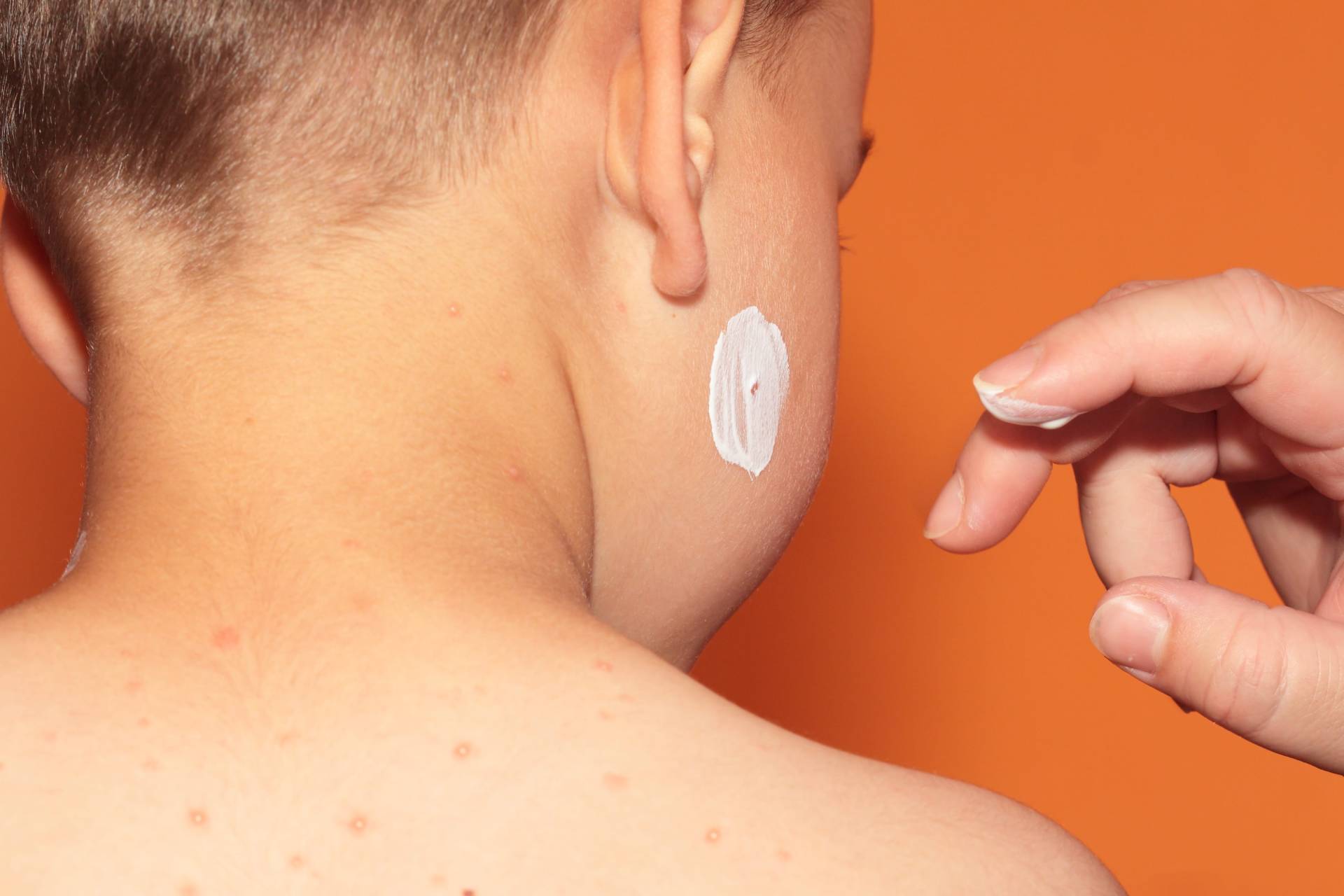
Chicken pox parties involve deliberately exposing children who haven’t had chicken pox to a child who is currently infected, with the aim of “getting it over with” and building natural immunity. This usually includes close play, sharing toys, and prolonged contact, which makes transmission very likely.
Chicken pox is often mild, but it can sometimes cause serious complications even in healthy children, including pneumonia, severe skin infections, encephalitis (brain inflammation), and, rarely, death. There is no way to predict which child will develop severe illness, so intentional exposure adds risk without any medical benefit.
New Zealand schools and early childhood education (ECE) centres frequently see outbreaks of vaccine-preventable illnesses like chicken pox (varicella), measles, whooping cough (pertussis), and hand, foot and mouth disease, alongside non-vaccine issues such as head lice, impetigo (school sores), slapped cheek syndrome, and ringworm.
Chicken pox spreads easily through respiratory droplets or contact with rash fluid, with an incubation period of 10–21 days. Measles is highly contagious, capable of infecting 90% of unvaccinated close contacts, while whooping cough causes severe coughing fits particularly dangerous for infants.
Before vaccination became routine, chicken pox led to thousands of hospitalisations and around 100–150 deaths per year in countries like the United States. Complications are more likely in infants, adolescents, adults, pregnant people, and anyone with a weakened immune system, but they can occur in otherwise healthy children as well.
The chicken pox (varicella) vaccine uses a weakened form of the virus to safely build immunity, and two doses are over 90% effective at preventing infection. Children who do get chicken pox after vaccination usually have far milder symptoms and fewer complications than those infected through community or party exposure.
Public health agencies explicitly recommend against chicken pox parties and intentional exposure. For schools and early childhood centres, the safest stance is to encourage routine vaccination, follow exclusion rules for cases, and communicate clearly with whānau that intentional infection is not supported because it increases avoidable health risks.