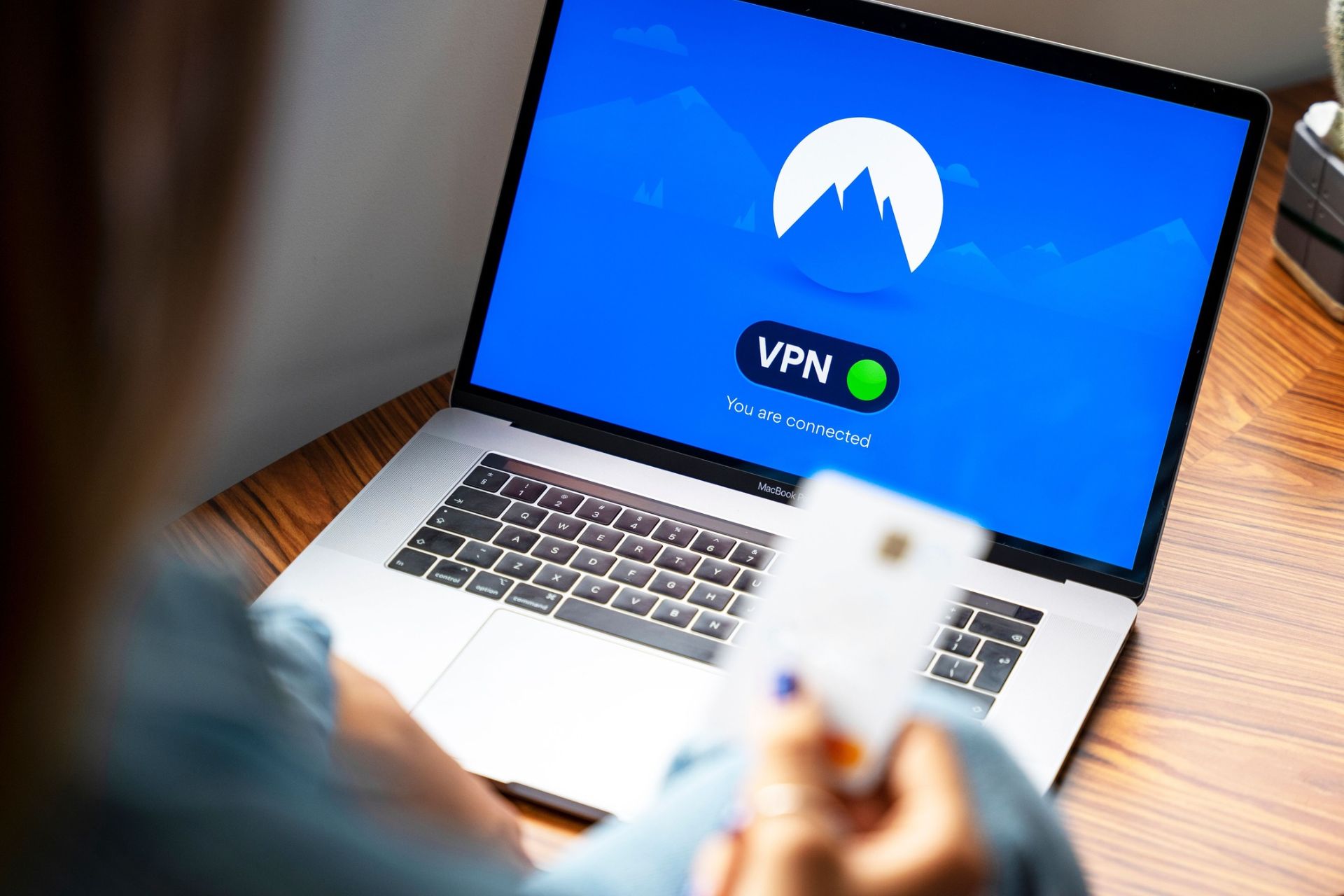

A virtual private network (VPN) encrypts the traffic between a device and a VPN server, which hides it from anyone else on the same network and can make the user appear to be in another country. New Zealanders mainly use one in two ways, a work VPN that connects staff to their office network, and a consumer service used for privacy or to reach overseas streaming catalogues.
InternetNZ’s Internet Insights 2025 survey found 13% of online New Zealanders use a VPN when connecting to a Wi-Fi network they don’t know, the same as in 2024 and down from a high of 18% in 2022.
When the official advice says to use one
The National Cyber Security Centre’s Own Your Online guidance for businesses says a work VPN uses the same technology as the consumer kind, but connects staff securely to the office network rather than making them appear to be somewhere else. It tells businesses to use certificate or key authentication, strong passwords and two-factor authentication, keep VPN server and router firmware updated, limit which IP addresses can connect and review the logs.
The NCSC has issued repeated alerts about attackers exploiting VPN gateways, including Ivanti Connect Secure in January 2024 and Fortinet’s FortiOS in April 2025, when it warned some attackers had kept access to devices even after patches were applied. In February 2025 the Five Eyes cyber security agencies, including the NCSC, reported an increase in targeted attacks on edge devices such as VPN gateways.
For individuals, the NCSC’s guidance for high-profile people says public Wi-Fi can be risky because malicious users may try to intercept activity, and suggests using a phone’s hotspot instead where possible. Its checklist for that group includes using a VPN service to keep online activity more private and secure.
A VPN doesn’t stop someone clicking a phishing link or installing malware, and free services can add risks of their own. A 2016 study of 283 Android VPN apps by CSIRO’s Data61 and university researchers found more than 38% showed some sign of malware, 75% used third-party tracking libraries and 18% didn’t encrypt the traffic they tunnelled.
The under-16 social media ban
The Online Safety (Minimum Age and Child Safety Risk Assessment) Bill, introduced in August with Erica Stanford as the minister in charge, would require platforms to take reasonable steps to stop New Zealand users under 16 from having an account. The bill defines a New Zealand user as someone ordinarily resident here, and excludes VPNs from the services it could order to block a platform.
Its explanatory note says the country “should anticipate that a proportion of individuals may circumvent the rules.” Children and their caregivers wouldn’t face penalties. The bill hadn’t had a first reading before the election.
In July, after The Post reported the Government had looked at restricting VPNs, Prime Minister Christopher Luxon told 1News there was no plan to ban them, and Stanford’s office said the Government wasn’t looking at restricting or banning them. ACT described VPNs as legitimate privacy and security tools used by businesses, journalists and ordinary New Zealanders.
Australia’s under-16 restrictions took effect on 10 December 2025, and the eSafety Commissioner expects platforms to try to stop under-16s using VPNs to appear to be outside Australia, using signals such as IP address, GPS location, device settings and an Australian phone number. In the UK, a Government-commissioned survey of 2,299 children aged 11 to 17, published in July 2026, found 22% had used a VPN in the past three months, and 7% of all children used one to reach age-restricted sites.
No New Zealand law bans using a VPN. Streaming services set their own rules, and Netflix’s terms of use say subscribers may access content mainly in the country where they created their account.