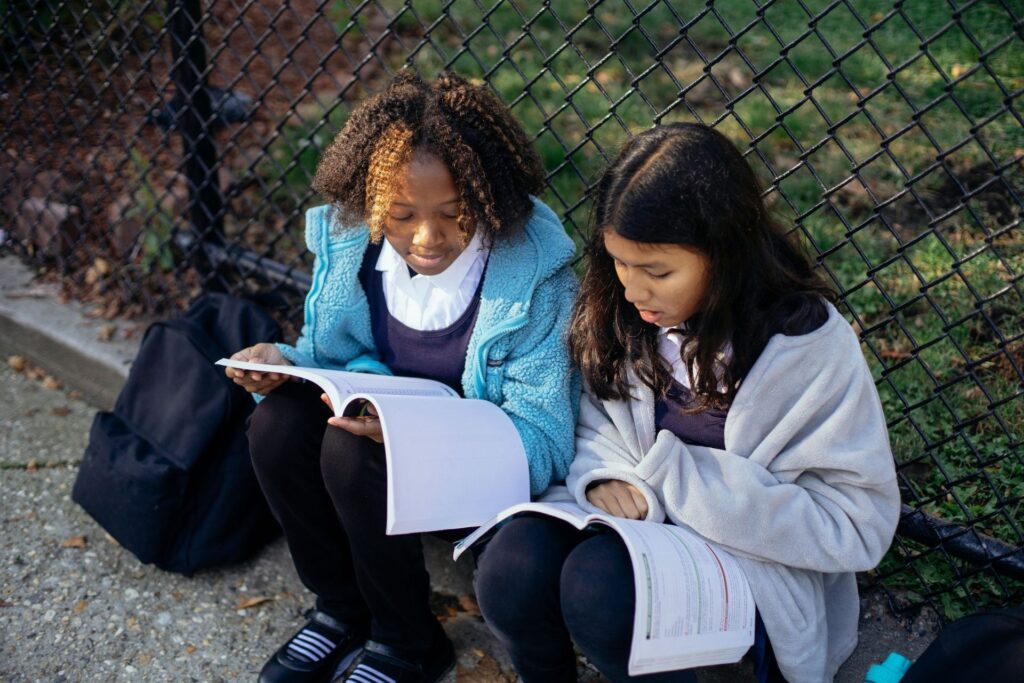

“Children are becoming the experts.” That’s how one early childhood educator described the effect of Kia Rite Get Ready!, a Save the Children programme that teaches preschoolers and their whānau how to prepare for emergencies.
Another educator described children teaching their families what to do.
Save the Children is using International Day for Disaster Risk Reduction, held every year on 13 October, to call for children to be put at the centre of emergency planning.
The charity says young people are among the most affected when floods, storms, earthquakes and tsunami strike, yet their needs and voices are often overlooked.
Jacqui Southey, Save the Children’s programmes and advocacy director, says children should be treated as active participants.
“Children have a right to be safe, informed and prepared. When we involve children in emergency preparedness in ways that are appropriate for their age, we see them build confidence, reduce fear and become active participants in keeping themselves, their whānau and their communities safe. It is essential we include preschool children in this process.”
Go-Bags and whānau plans
Insurer QBE funds the programme, and education organisation Tātai Aho Rau Core Education delivers it. It works with early childhood centres in Wellington and Nelson-Marlborough and has now started in Hawke’s Bay.
Centre staff learn how to teach young children and their families to prepare. Each child gets a Go-Bag to pack with essentials and whānau get tools to make an emergency plan.
Educators learn how to set up safe, child-friendly spaces during and after an emergency.
So far this year the programme has reached 20 centres. It has run more than 30 training sessions, trained more than 70 educators, worked with 867 children and given resources to more than 800 whānau.
In the programme’s evaluation, centres reported more confidence, stronger emergency plans, more meaningful drills and better communication systems.
Several have since asked their local community to join their planning. The programme has also built links with emergency services, councils and community groups.
“The best time to prepare for an emergency is before it happens,” Jacqui says. “Through Kia Rite, we’re helping children feel confident rather than fearful, while building practical readiness that can make a real difference when disasters occur.”
QBE Pacific chief executive and managing director Jonathan Groves says helping children, families and educators build practical skills “can strengthen resilience at a community level”.
Practise on 21 October
The next chance to practise nationally is New Zealand ShakeOut, the national earthquake drill and tsunami hīkoi (evacuation walk). It runs on Wednesday 21 October at 1.30pm.
The National Emergency Management Agency manages it with the Natural Hazards Commission Toka Tū Ake and MetService. More than 576,000 people had registered by 12 October.
ShakeOut is self-run, so no alert or alarm will go off. Groups start the drill however suits them.
They can ring a bell, blow a whistle, play the official announcement over a PA or shout “earthquake drill”.
Everyone drops to their hands and knees, covers their head and neck under a sturdy desk or table, and holds on for 30 to 60 seconds. Anyone in a tsunami evacuation zone then walks their route to high ground or as far inland as they can.
Get Ready, the Civil Defence preparedness site, makes the same point as Save the Children. “We know that when kids are involved in preparing for emergencies, they encourage their families to be more prepared,” it says.
It offers ShakeOut certificates for children in English and te reo Māori.
Workplaces have a firmer reason to take part. “An emergency plan is a health and safety requirement,” Get Ready tells businesses. “Not having one is a big risk for your business and the people in it.”
Registration is free at getready.govt.nz.
After the drill, Get Ready suggests talking through what happened with family or workmates and updating emergency plans where the drill showed a gap.