
When parents think about preparing a child for their first day of school, the instinct is often academic. Can they recognise their letters? Do they know their numbers? Can they write their name? But according to early childhood education experts, this focus misses much of what actually determines how smoothly a child settles into school life.
School readiness isn’t only about recognising letters, numbers or colours. Social confidence, communication, independence and the ability to manage everyday routines matter just as much, and early childhood environments play a role in building these skills through regular interaction, play and age appropriate learning experiences.
Independence, communication, and the group
Confidence in a classroom often starts with small, everyday tasks. Packing away belongings, putting on shoes, opening a lunchbox, washing hands and looking after personal items might seem minor, but they build the kind of self reliance that makes school routines easier to manage. Parents can help by resisting the urge to step in immediately. Letting children work through a task themselves, even if the result is imperfect, builds familiarity with decision making and basic responsibility, both of which carry straight into the classroom.
A primary school classroom also asks a lot of a five year old’s communication skills. Children need to explain what they need, ask questions, and talk about their experiences with teachers and classmates they may never have met before. Reading together, discussing stories and having everyday back and forth conversations at home all help strengthen these abilities, and quality early childhood education adds another layer, giving children regular chances to communicate with people outside their immediate family.
A school classroom is, above all, a busy social environment. Children need to listen during group activities, take turns, share resources, and work alongside classmates with different personalities to their own. A good preschool setting provides exactly this kind of practice.
Through play and structured activities, children learn how to participate in groups, resolve small disagreements, and understand how their own actions affect the people around them, experiences that make the bigger social environment of school feel less unfamiliar when the day arrives.
Routine, curiosity and the first weeks
School days bring more structure than some children are used to. Regular meal times, consistent morning routines and predictable bedtimes at home help children adjust to the kind of schedule school requires, and establishing a morning routine that mirrors school mornings well before term starts can smooth the transition. Visiting the school ahead of time also helps, giving children a clearer picture of the classroom, the playground and the entrance before their first day.
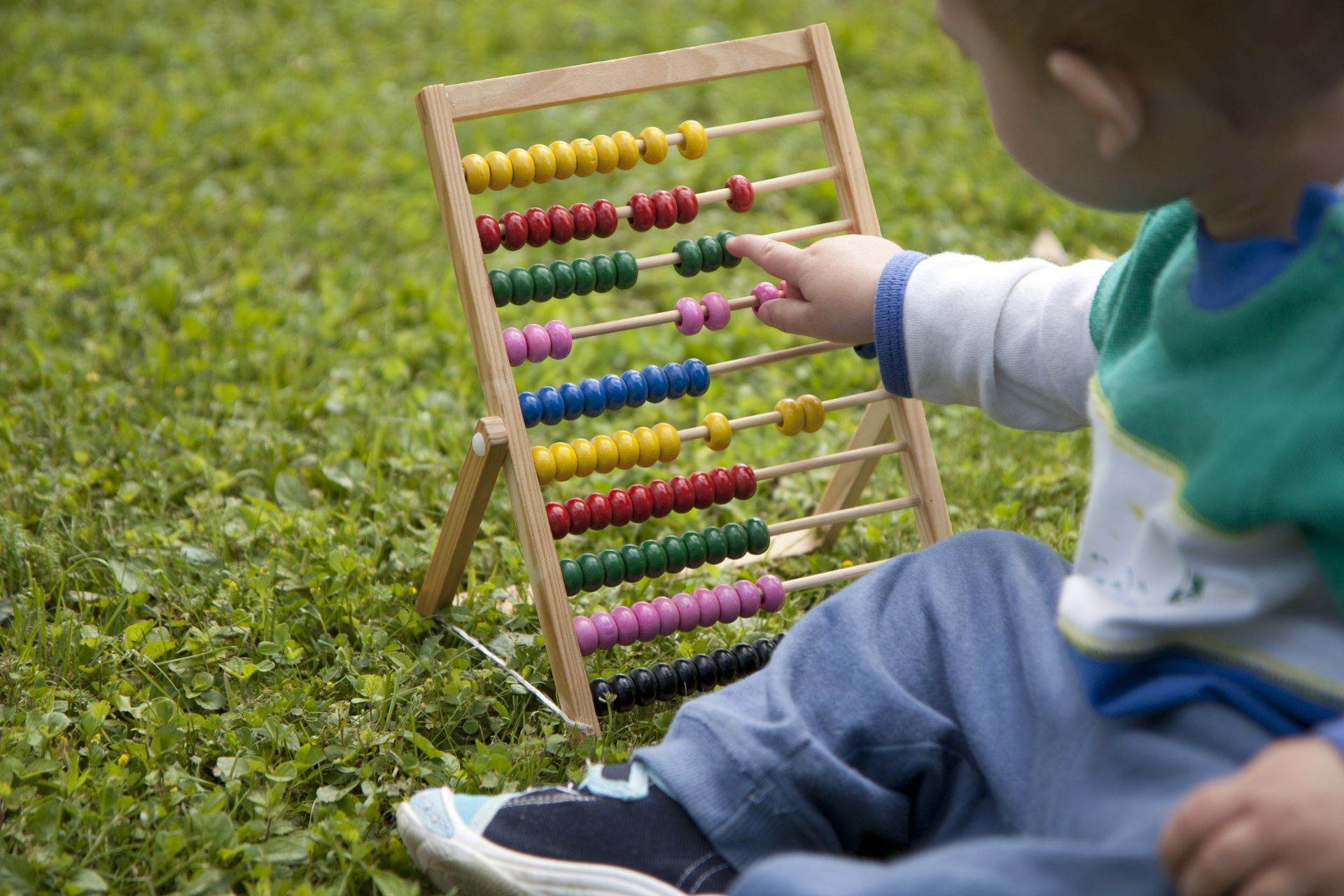
There’s considerable pressure on parents to make sure a child is academically prepared before school starts, but encouraging curiosity and a positive attitude toward learning tends to matter more than replicating classroom lessons at home. Reading books together, exploring nature, drawing, building, counting during everyday activities and asking open ended questions all support early learning without tipping into pressure, and play remains central to development throughout the preschool years, giving children room to experiment, problem solve and use their imagination.
Children take their emotional cues from the adults around them, so talking about school positively helps build excitement, though it’s equally important to acknowledge any worries a child raises rather than brushing past them. Books about starting school can be a useful, low pressure way to open these conversations.
Not every child settles at the same pace. Some adapt almost immediately, while others need several weeks to feel comfortable in a new environment, and changes in behaviour, tiredness or heightened emotions during that period are normal. Maintaining consistent routines at home, alongside regular chances for children to talk about their day, helps parents track how their child is really coping.
The move from preschool to school is ultimately a process rather than a single event. By supporting independence, communication, social confidence and curiosity through the preschool years, parents and educators give children a strong foundation for those first uncertain weeks and well beyond.