
Established in 1967, the New Zealand School of Dance (NZSD) has an international reputation for producing versatile and employable dancers, skilled in both classical ballet and contemporary dance. The School’s unique training develops the qualities needed to meet the demands of the dance profession while extending the boundaries of the art form, says its Head of Contemporary Dance, Paula Steeds-Huston.
NZSD is the official school of the Royal New Zealand Ballet and The New Zealand Dance Company, enjoying strong professional relationships with both organisations. Through Memorandums of Understanding, NZSD is recognised as the official school of each company. These relationships provide enhanced opportunities for students to gain valuable industry experience and extend their professional networks.
What does dance education uniquely offer students?
The New Zealand School of Dance (NZSD) offers a unique education in the arts. Dance is an art form that is both physically demanding, with the expectations of an elite athlete, and creatively enriching through exploration and discovery. Dance education provides an opportunity to explore oneself and develop each student’s unique artistic voice. It encourages us to examine how we view the world, our values, and how we express them. As an art form, dance has the power to connect with people in many different ways, and here in Aotearoa it has long been a powerful vehicle for cultural expression. Contemporary dance in particular embodies authentic self-expression. NZSD offers this exploration at the highest level within an incredibly safe and supportive environment.
What stood out about the festival this year and other events so far in 2026?
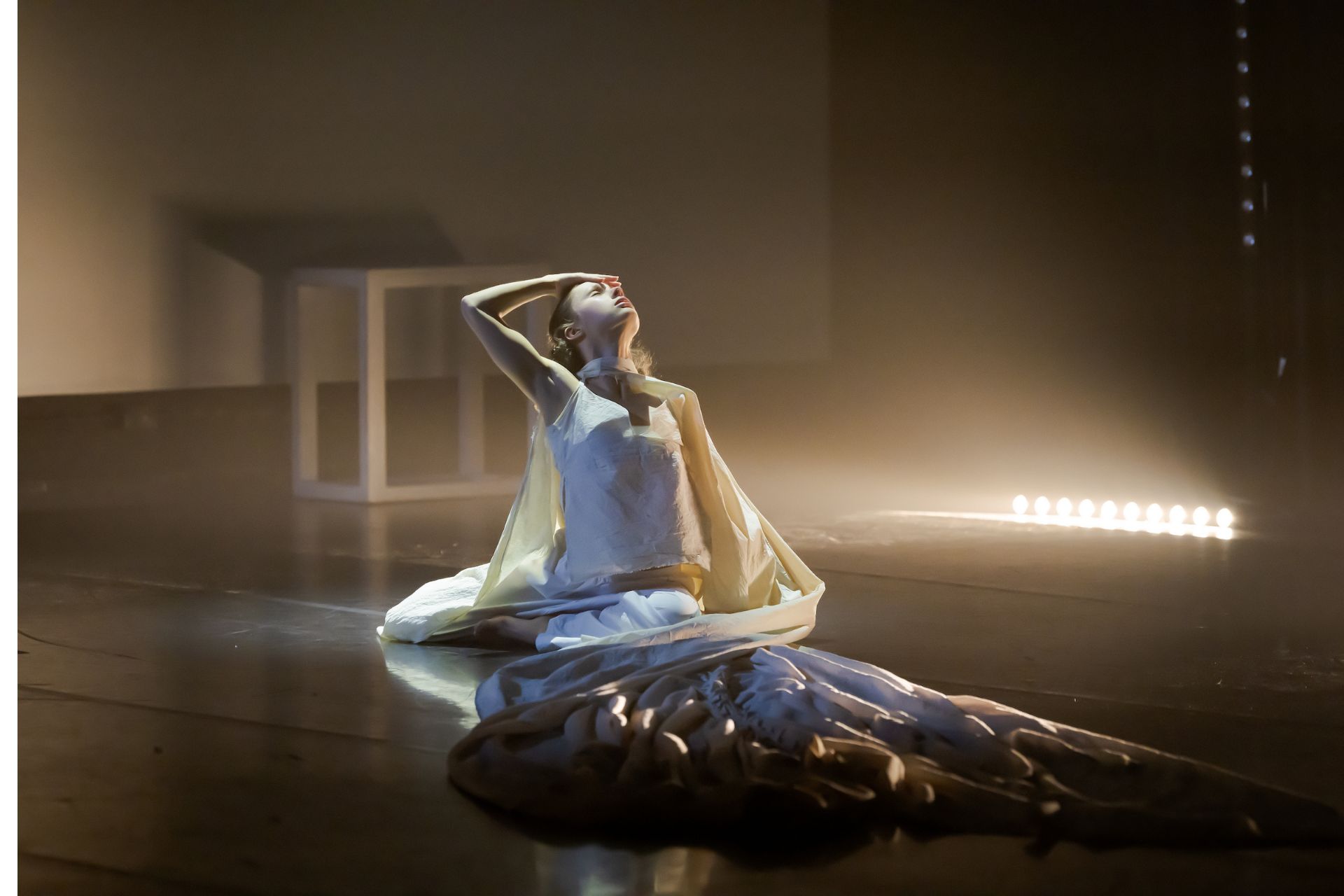
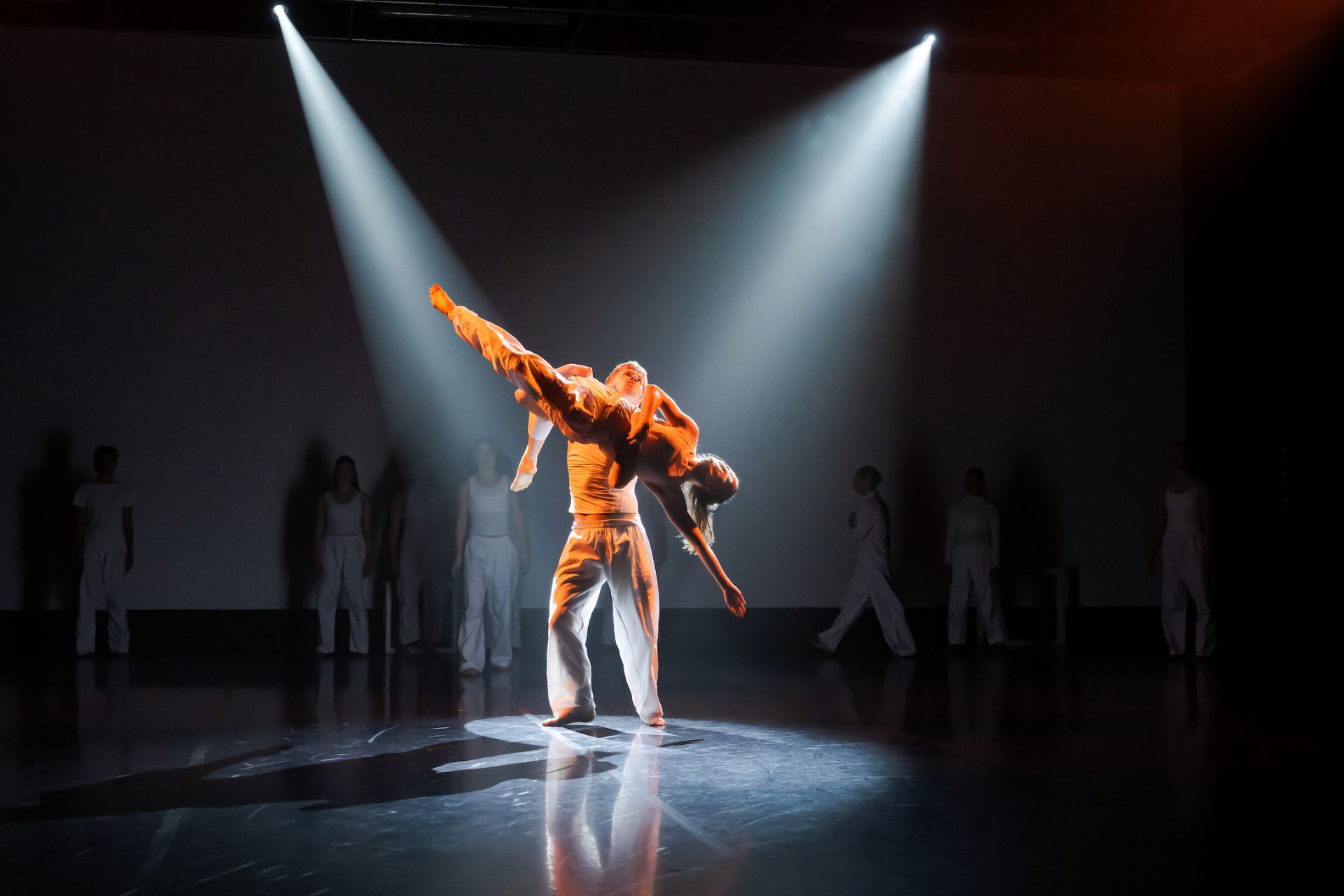
This year, NZSD was part of the Pōneke Festival of Contemporary Dance, showcasing our Choreographic Season. Note to Self was devised by our third-year contemporary dance students and marked the culmination of each student’s choreographic journey over their three years of study. The season provided an opportunity for students to collaborate with lighting designers, a dramaturgical consultant, marketing, and costume designers while being mentored by NZSD staff. They performed to full houses, embraced the festival’s energy, and experienced its positive impact on our community here in Te Whanganui-a-Tara. Footnote New Zealand Dance, the festival organisers, curate an incredibly inspiring programme of contemporary artists. It was an honour to perform alongside the industry as part of this festival.
What skills or qualities does dance training build that extend beyond the studio?
Dance education teaches students to stand strong in their values while developing self-motivation, determination, and resilience, qualities that can be applied across any profession.
The world is full of uncertainty, and dance provides the tools to navigate challenge, change, and expectation. It prepares students for whatever career pathway they choose. Understanding oneself, both physically and mentally, provides a foundation for life. Dance is about far more than mastering movement. Through a creative lens, it develops confidence, discipline, empathy, and self-awareness. Beyond the studio and the stage, dance training fosters remarkable personal growth.
How is NZSD shaping pathways into professional arts careers?
NZSD is recognised worldwide as one of the leading tertiary institutions for both classical ballet and contemporary dance. Our graduates have careers across the globe and continue to shape the industry as dancers, choreographers, directors, educators, and arts advocates. Supporting students in achieving their dreams and aspirations drives us to continually strive for excellence in dance education. NZSD leads the way in dance training through the integration of sports medicine and scientific research, with many international institutions looking to us as leaders in safe, holistic training practices. We are proud to be the official school of the Royal New Zealand Ballet and The New Zealand Dance Company, providing students with valuable industry experience and opportunities to build professional networks.
What should educators understand about the value of sustained dance education?
Education extends far beyond what is traditionally measured as success within the education system. As the arts continue to face increasing pressure, we know that dance and arts education more broadly is vital to a thriving society. Dance institutions offer far more than technical training. They empower young people to discover their voices, advocate for diversity and inclusion, and pursue their aspirations with confidence and purpose.
The arts deserve greater recognition and investment. We remain committed to championing dance education and advocating for an education system that recognises the essential role of the creative industries in enriching our communities and shaping a more connected, compassionate society.