
How grandparents can get to know the online games children love, and the settings that help keep them safe.
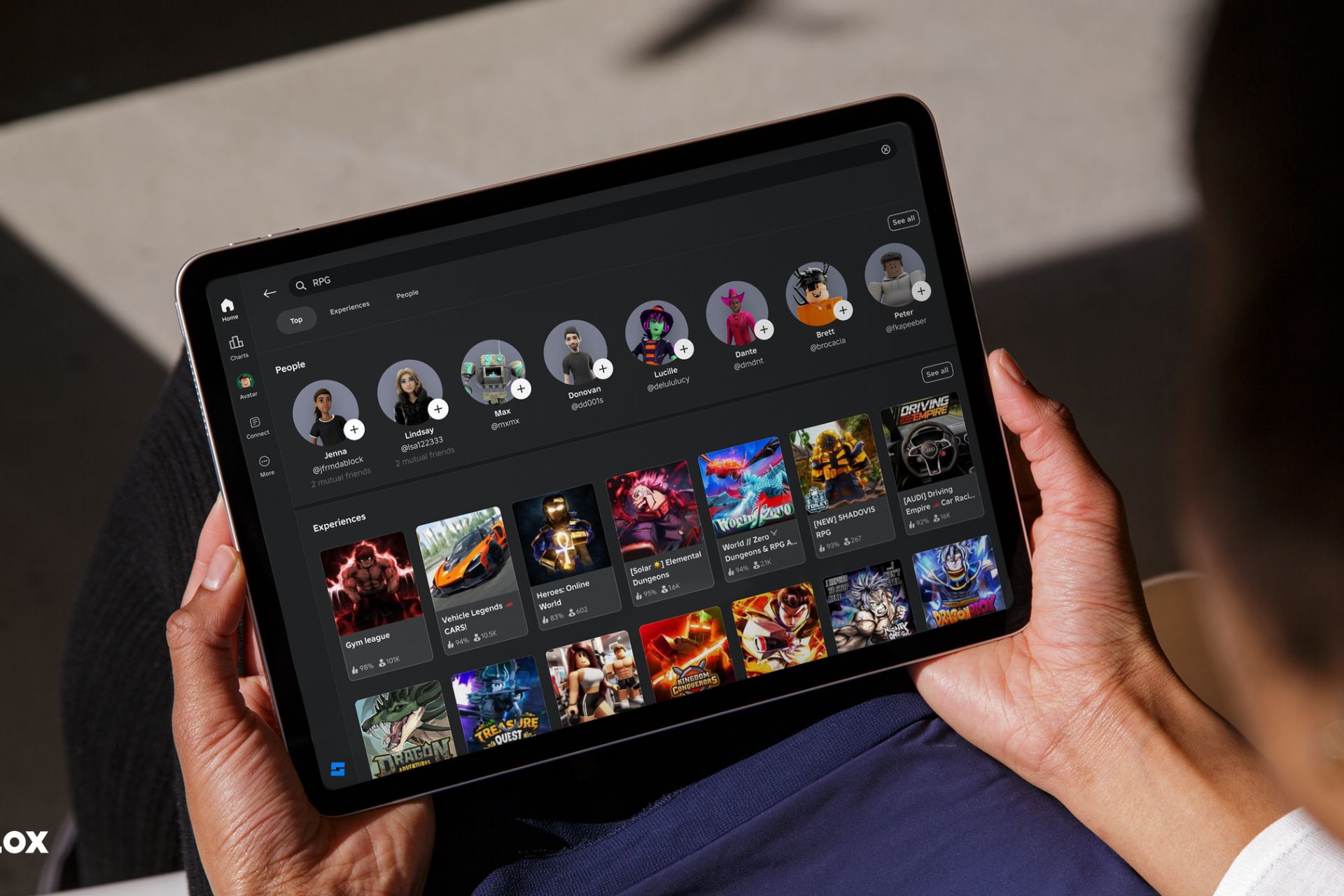
Plenty of grandparents who help care for grandchildren find part of the day now happens inside a game they’ve never heard of. It might be a building world, a racing game or an obstacle course, each with its own rules and its own language. None of it existed when they were raising their own children.
Older New Zealanders are hardly strangers to games, though. The New Zealand Plays 2025 report, a survey by Bond University and the Interactive Games & Entertainment Association, found 61% of New Zealanders aged 65 and over play video games.
Board and card games and puzzles top their list, and their main reasons for playing are to have fun, relax and be challenged. Among those older players, 15% say games help them stay connected with family and friends.
Games are already a family activity in plenty of homes. The same report found 91% of New Zealand households include someone who plays, and 54% of parents say they play with their children as a way to connect.
One 55-year-old Auckland respondent put it simply. “Minecraft is a game my grandchildren love.”
Dr Elizabeth Milovidov, global head of parental advocacy at Roblox and a digital parenting specialist for more than 15 years, says grandparents don’t need to become experts to join in. “Simply showing curiosity, asking questions and taking an interest in the games children enjoy can help grandparents better understand an important part of their grandchildren’s lives,” she says.
Let the grandchild teach
Start by asking your grandchild to show you their favourite game and explain how it works. Then ask them to teach you to play. That flips the usual arrangement, and the child gets to be the expert for once.
Elizabeth says most children jump at the chance. She also says it gives you both an easy, low-pressure way to spend time together, and it often leads to conversations you wouldn’t otherwise have.
After that, have a turn yourself. You’ll probably be bad at it, and that’s fine.
“Just have a go,” Elizabeth says. “Sometimes the funniest moments come from getting something wrong, and those shared moments are often what everyone remembers afterwards.”
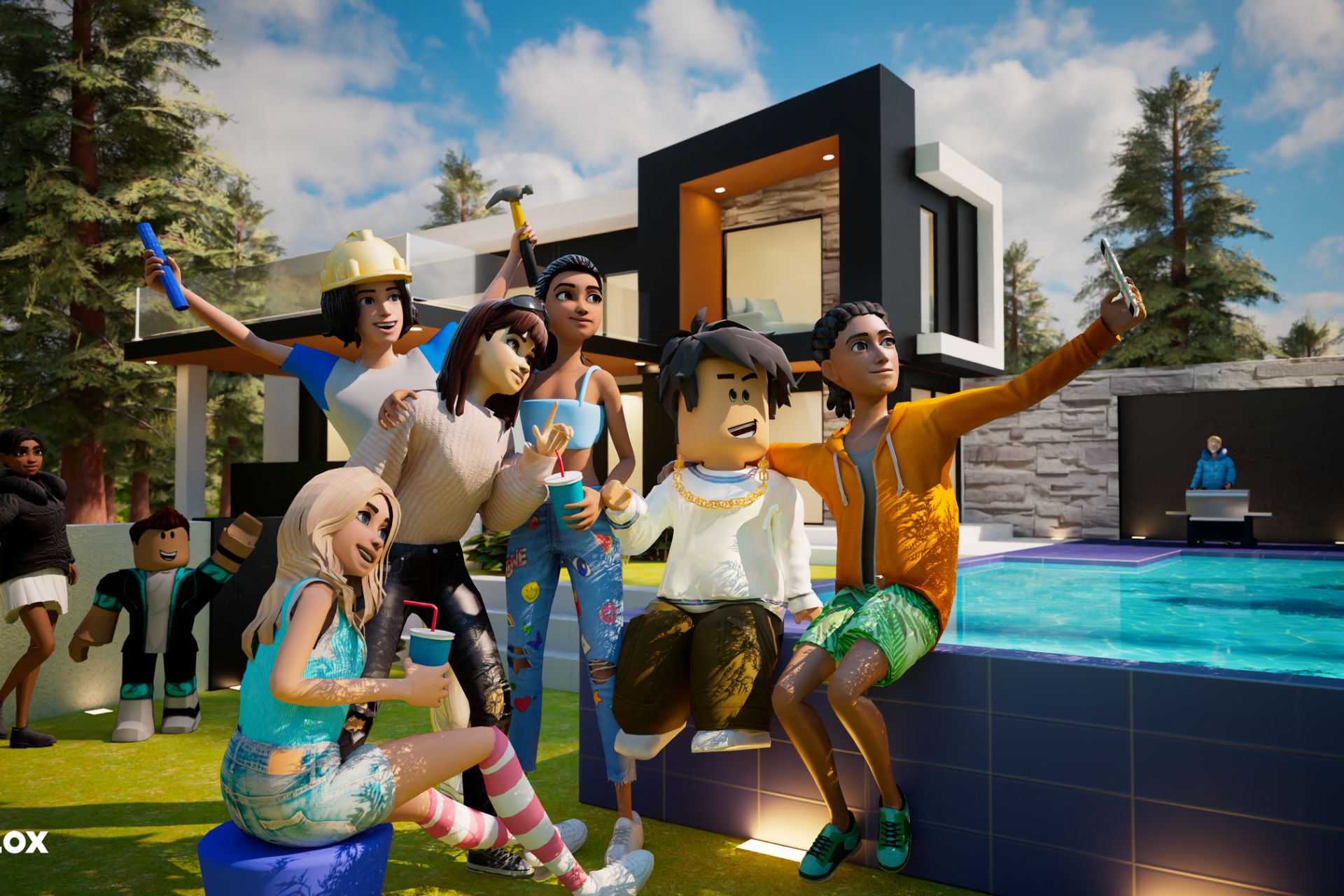
Roblox has built a game for that first session. In Family Zone the child guides the adult’s first steps, showing how to move and get around, before the two explore together.
Being the teacher gives the child something to be proud of. The game also shows adults what the platform’s safety tools do and how to use them.
Know the safety settings
The worry Elizabeth hears most from grandparents is that they don’t know enough about gaming. Her answer is that nobody needs to know everything.
Knowing which platforms a grandchild uses, and who they play with, makes it easier to talk about staying safe in a way built on trust. She says learning how the tools work also helps grandparents feel more confident.
Roblox’s controls let parents and caregivers set daily screen-time limits, choose who a child can chat with, block games or approve ones a child asks for, cap in-game spending, and see which games a child plays and who they’re connected with.
Roblox also now sorts under-16s into age-based accounts. Roblox Kids, for ages 5 to 8, keeps younger children to games reviewed as suitable for their age, with chat off by default. Parents can switch chat on through the controls if they choose.
Roblox Select covers ages 9 to 15 and opens up more as children get older. For 9 to 12-year-olds, in-game chat is on by default but limited to users aged 5 to 15, and parents can turn it off. At 13 to 15, text chat is on with users aged 9 to 17, while voice chat stays off unless a parent turns it on.
Children move up automatically, to Select when they turn 9 and to a standard account at 16. Roblox confirms ages with a government ID or a facial age estimate taken with the device’s camera.
If the grandchild is in your care regularly, it’s worth knowing which of these settings the parents have chosen. The Roblox Safety Centre explains each one in plain language.
Between visits
Not every grandparent lives around the corner. Elizabeth says gaming can be a surprisingly easy way to stay part of a grandchild’s day-to-day life.
For those who don’t see their grandchildren often, a shared game gives them something to pick up between visits. Ask what they’re playing, what they’ve built, what challenge they’re stuck on, or whether they’ve found a new game since you last spoke.
With an account of your own you can play alongside a grandchild from the other end of the country. If you’re not sure where to start, Roblox’s Learning Hub lists educational games that teach useful skills as well as being fun.
“A lot of grandparents already play card games, do puzzles or watch their favourite shows with their grandkids,” Elizabeth says. “Gaming can be another version of that. It gives you something to do together, something to laugh about, and something to talk about long after you’ve logged off.”