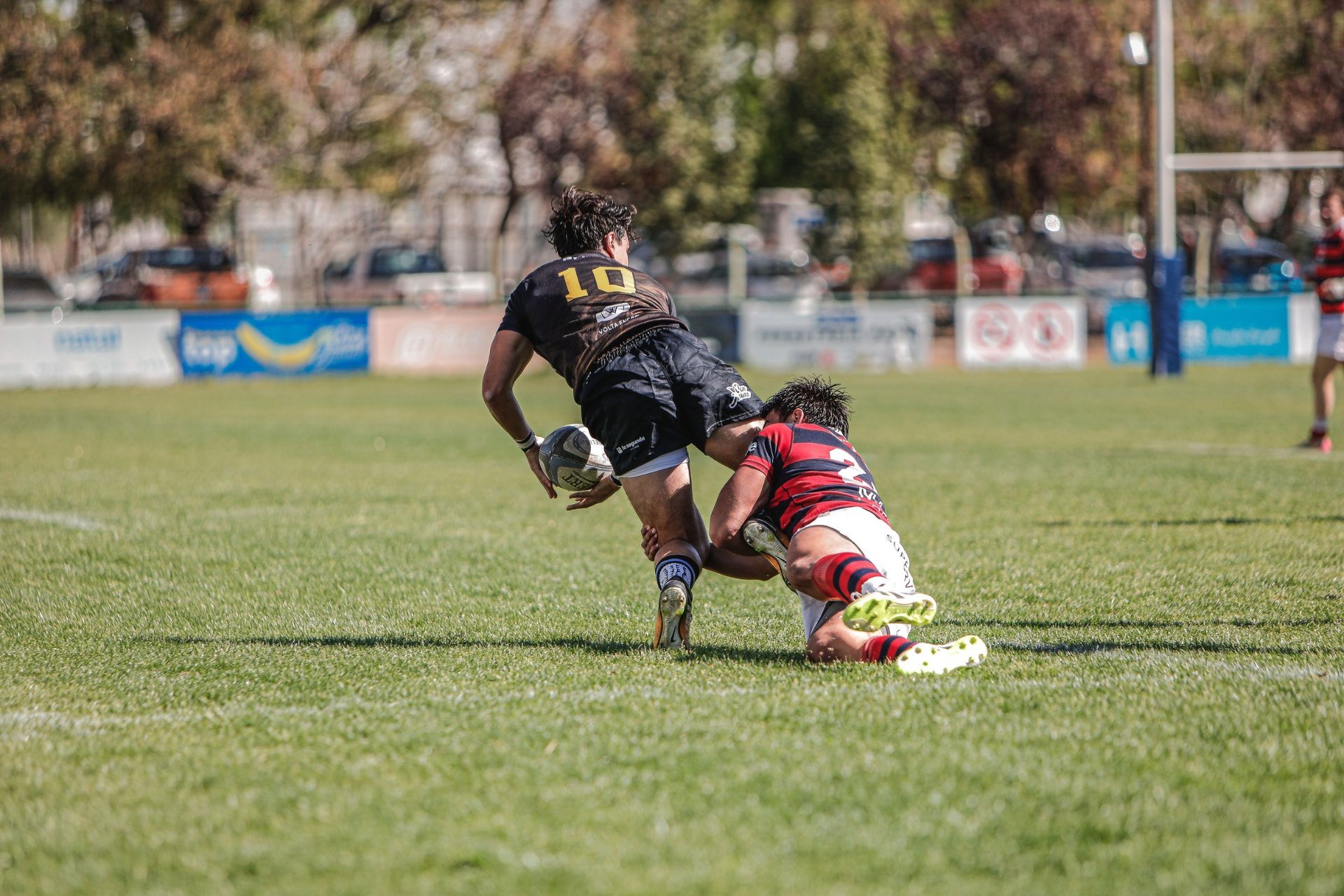

ACC received 12,455 new sport concussion claims in 2025, and paid $89.9 million that year on active sport concussion claims. Canterbury accounted for 2,076 of the new claims, second only to Auckland.
ACC says the real number is higher. Its injury prevention partner Nat Hardaker says around 45% of concussions go unreported, because people don’t recognise the symptoms and athletes want to keep playing.
A kit backed by former All Blacks captain Sam Cane is built for the hours and days after a head knock. ACC’s concussion guidelines note that community sport often has minimal and delayed access to medical support.
What’s in the kit
Hit Kit, short for Head Impact Trauma Kit, was developed by physiotherapist Helen Tufui, founder of The Headache Clinic, with co-founder Kirsten Taylor, founder of SleepDrops. Tufui opened what the clinic describes as New Zealand’s first dedicated headache clinic in Invercargill in 2014. It now has practitioners in centres including Christchurch.
The kit costs $40. Inside is a laminated checklist of red flag symptoms that mean go to emergency now, a step-by-step guide to days one to three written by Tufui, an instant ice pack, a mini wound-care pack and six supplement sachets developed by Tufui and Taylor.
The company is clear about the limits. Hit Kit doesn’t diagnose, prevent or treat concussion, it isn’t a substitute for medical assessment, and it doesn’t clear anyone to return to sport.
Cane is the kit’s founding ambassador. “You only get one brain. Being prepared for a head knock just makes sense.”
Beyond the sports field
ACC estimates around 35,000 New Zealanders suffer a traumatic brain injury each year, and 95% of those are mild. It receives claims for 22,000, so some people never get the injury checked. Sport and recreation account for 20% to 30% of these injuries.
Hit Kit pitches itself well beyond sport. Its website says the kit should be in every workplace first aid kit and every car, and names construction and trades, farms, warehouses, manufacturing, schools and early childhood centres as settings.
Volume pricing is available for clubs, schools and organisations. Schools and clubs can also sell the kits to fundraise and keep a share of each sale.
ACC’s National Concussion Guidelines say concussion can interfere with a person’s ability to function well at work. A return to work needs to be graduated, with work activities altered to match the person’s level of function.
For grassroots sport, the guidelines say a player must be symptom-free at rest for 14 days before sport-specific training, and at least 21 days past the injury before returning to competition. ACC and Sport NZ also run a free online course, When in Doubt, Sit Them Out, for coaches, volunteers, teachers and parents.
Hardaker says good early management can improve long-term outcomes and cut the risk of another concussion or injury.